A K-RAD REPTILES PROJECT
I’ve kept this one pretty quiet.
THE STORY ↓
After seven years of working with these animals, I’m pretty convinced I have:
Goniurosaurus varius
YINGDEENSIS SPECIES GROUP · CHINA
2019
It started with an import.
I bought a wild-imported group of Goniurosaurus from an importer selling on FaunaClassifieds. They came to me labeled as Goniurosaurus yingdeensis.
At the time, the importer wasn't particularly familiar with the differences between the species, and honestly, neither was I.
There was another important piece of context: Goniurosaurus varius wouldn't even be formally described until 2020 - a year after this group arrived.
I was still pretty new to cave geckos beyond G. hainanensis. I knew yingdeensis was something unusual, and I was mostly just excited for the opportunity to acquire a group of one of the rarer species.
So I didn't question the identification.
THE ORIGINAL GROUP
6.2
That male-heavy starting group made getting the project established a little slower than I expected. My first few breeding seasons also produced nearly all males, so it took several years before I had enough females to comfortably expand the group.
By 2025, I finally felt like the colony was established enough to start thinking about a release.
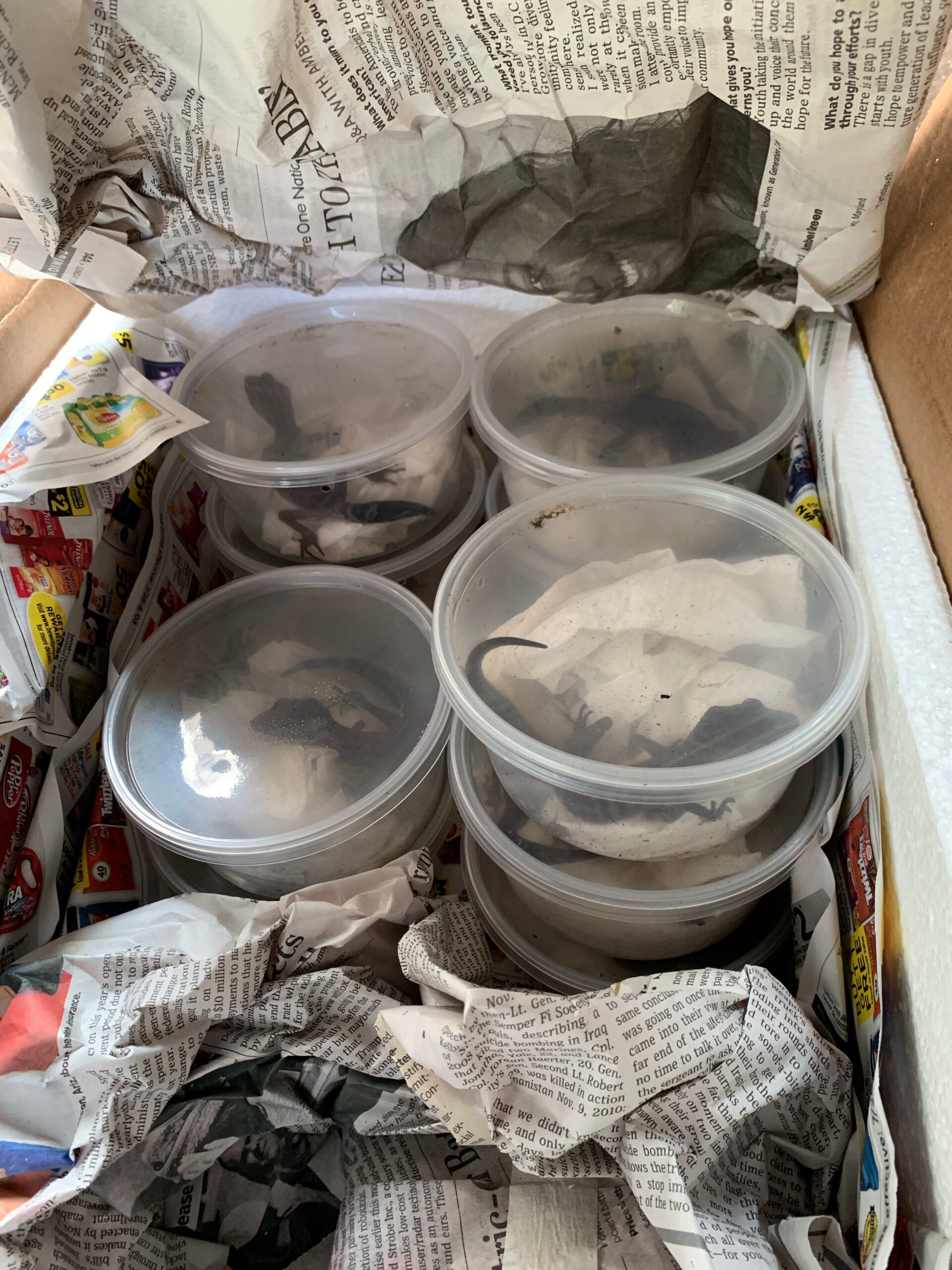
The original import, 2019. Imported as G. yingdeensis. A few G. luii were included as well.
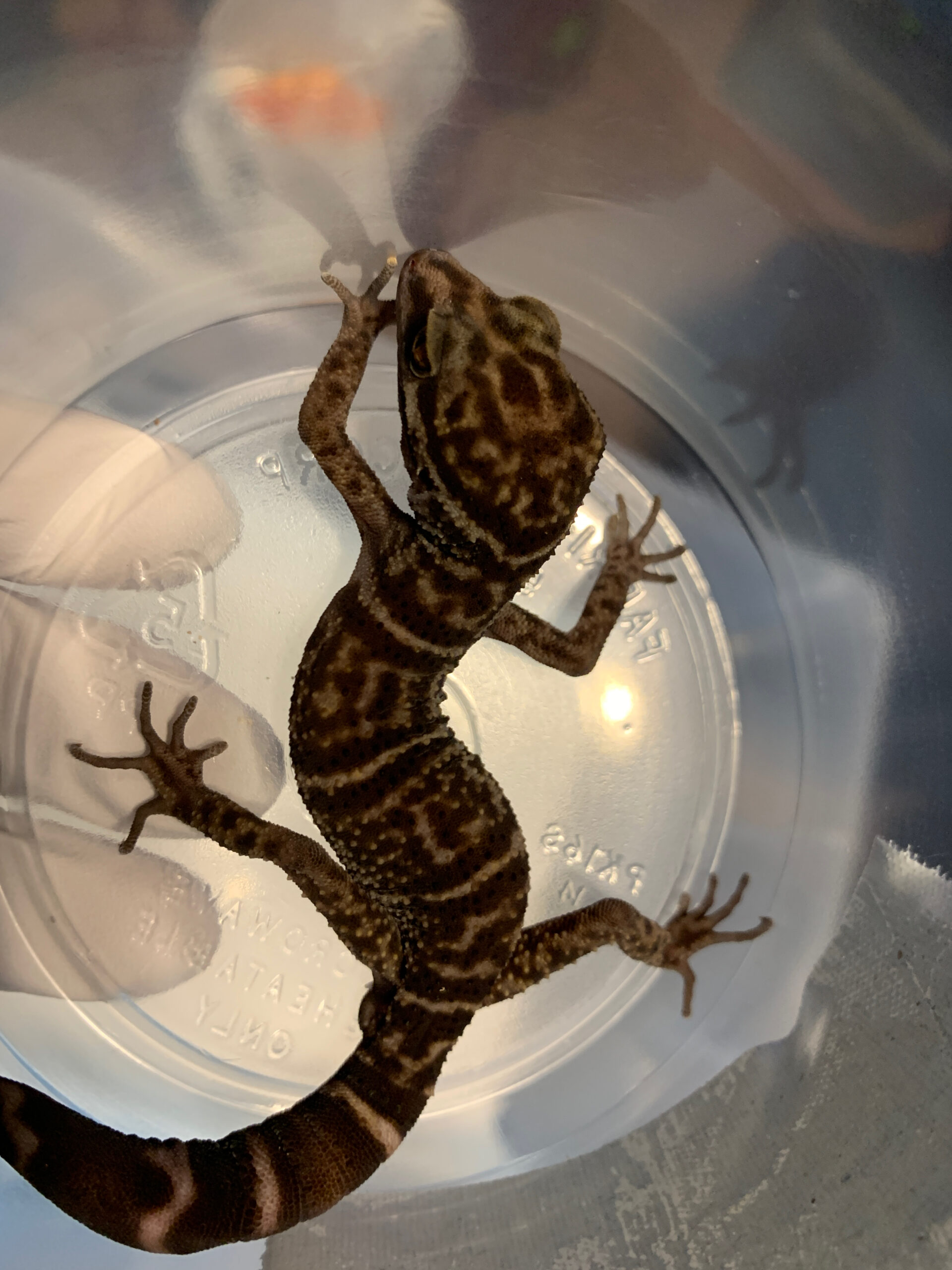
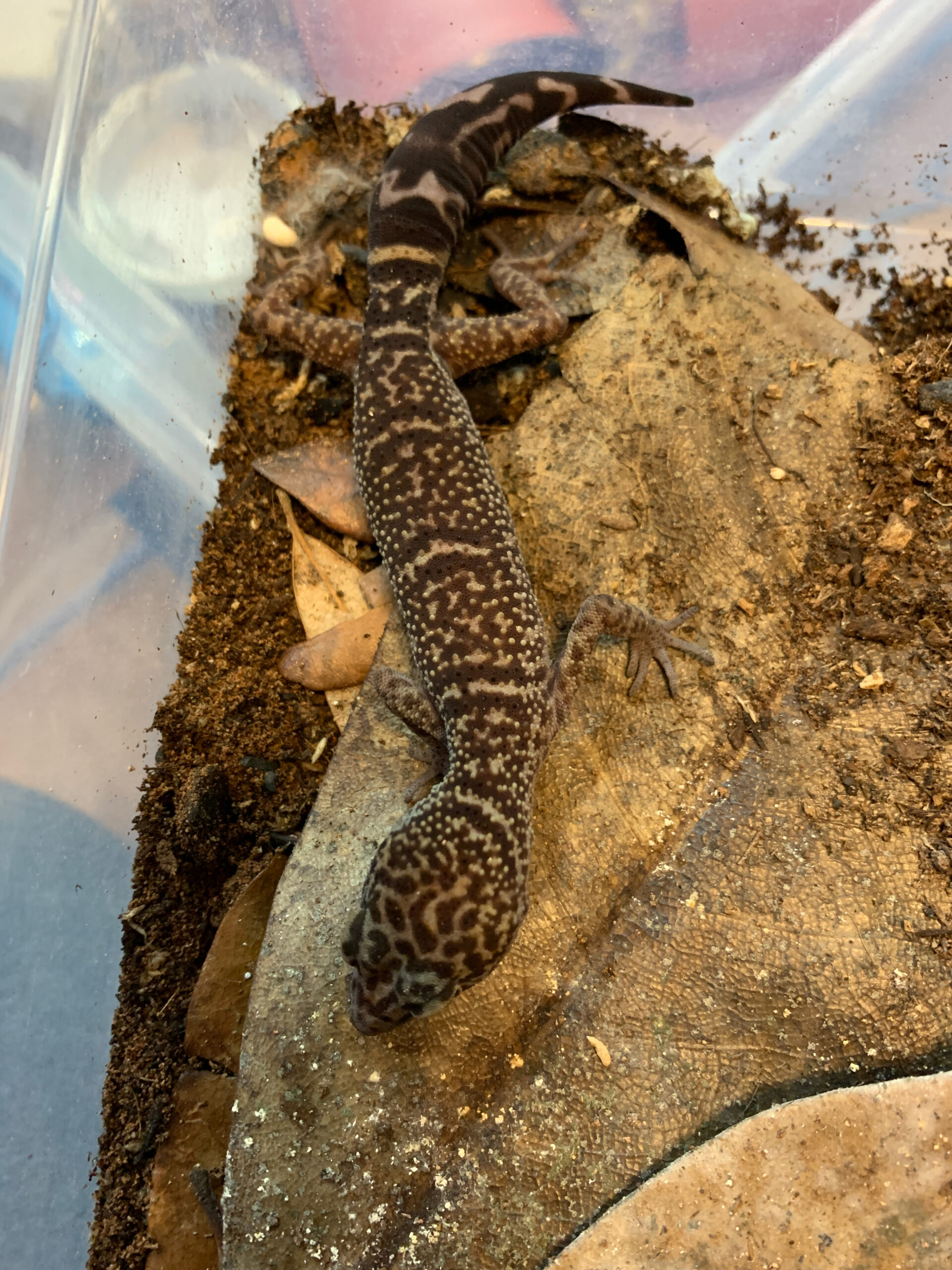
Animals from the original group, 2019.
OVER THE YEARS
Something didn't quite add up.
As the years went on, I became much more familiar with Goniurosaurus and with the species of the yingdeensis group in particular.
And I kept coming back to these animals.
They never quite looked like the G. yingdeensis I was seeing elsewhere.
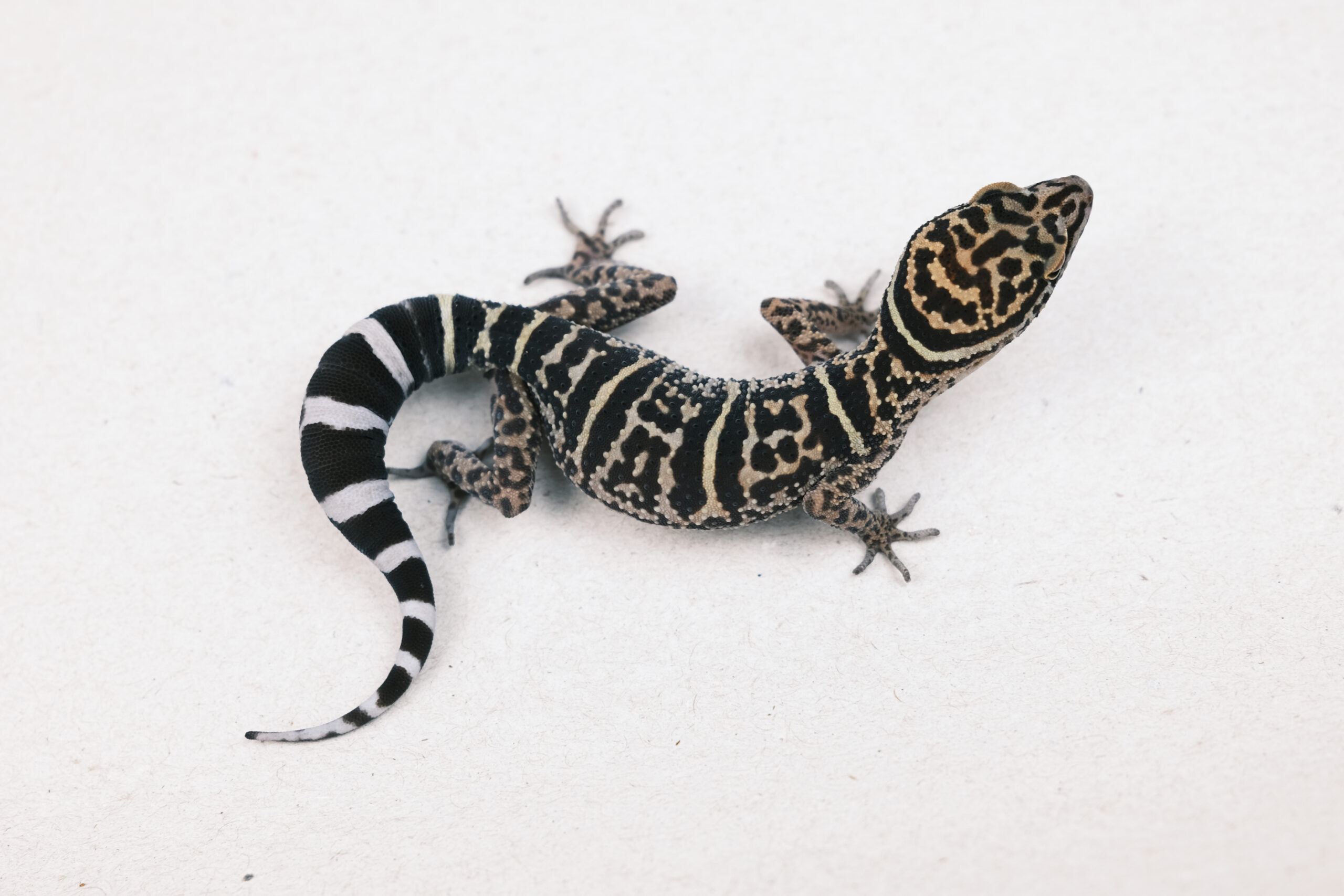
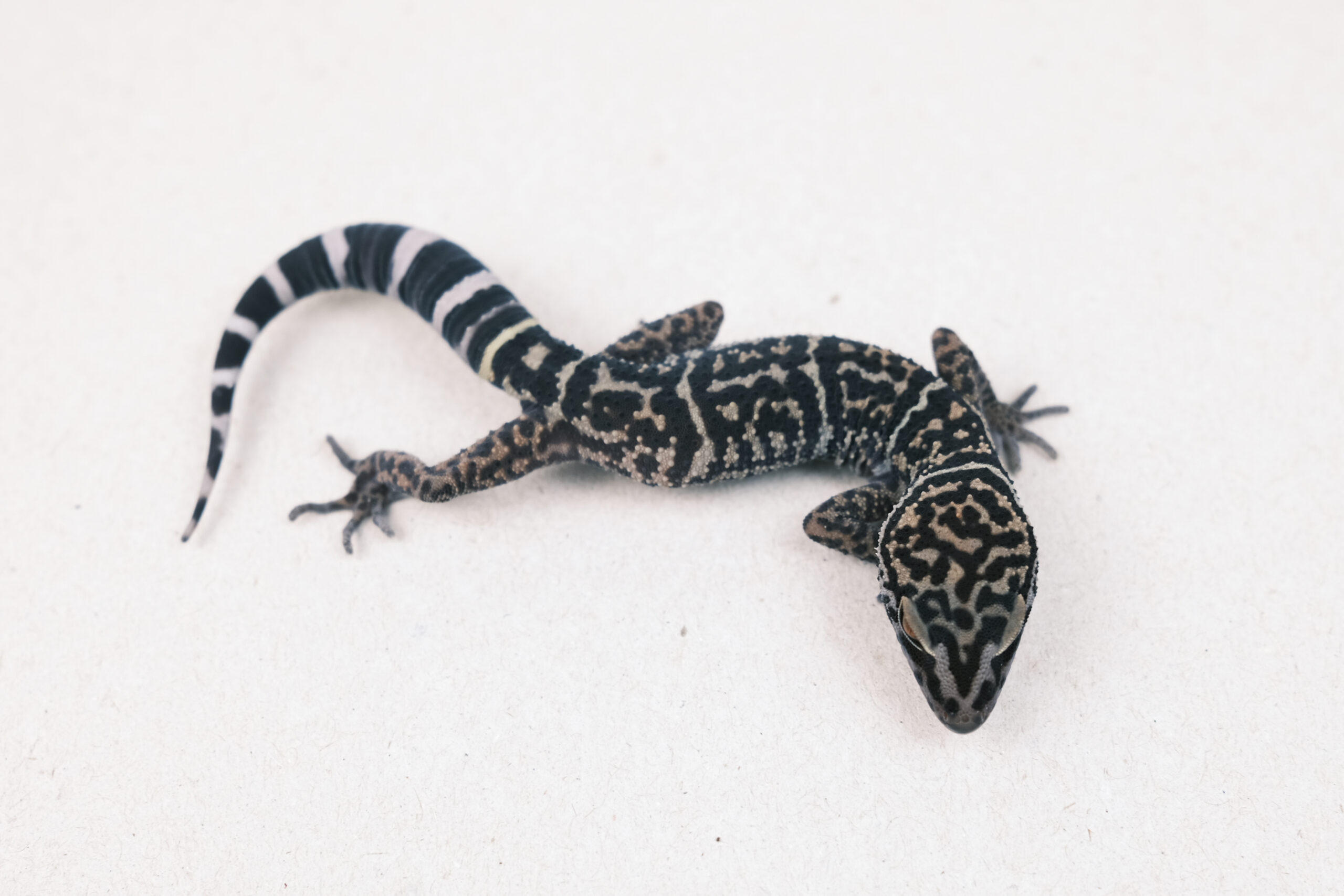
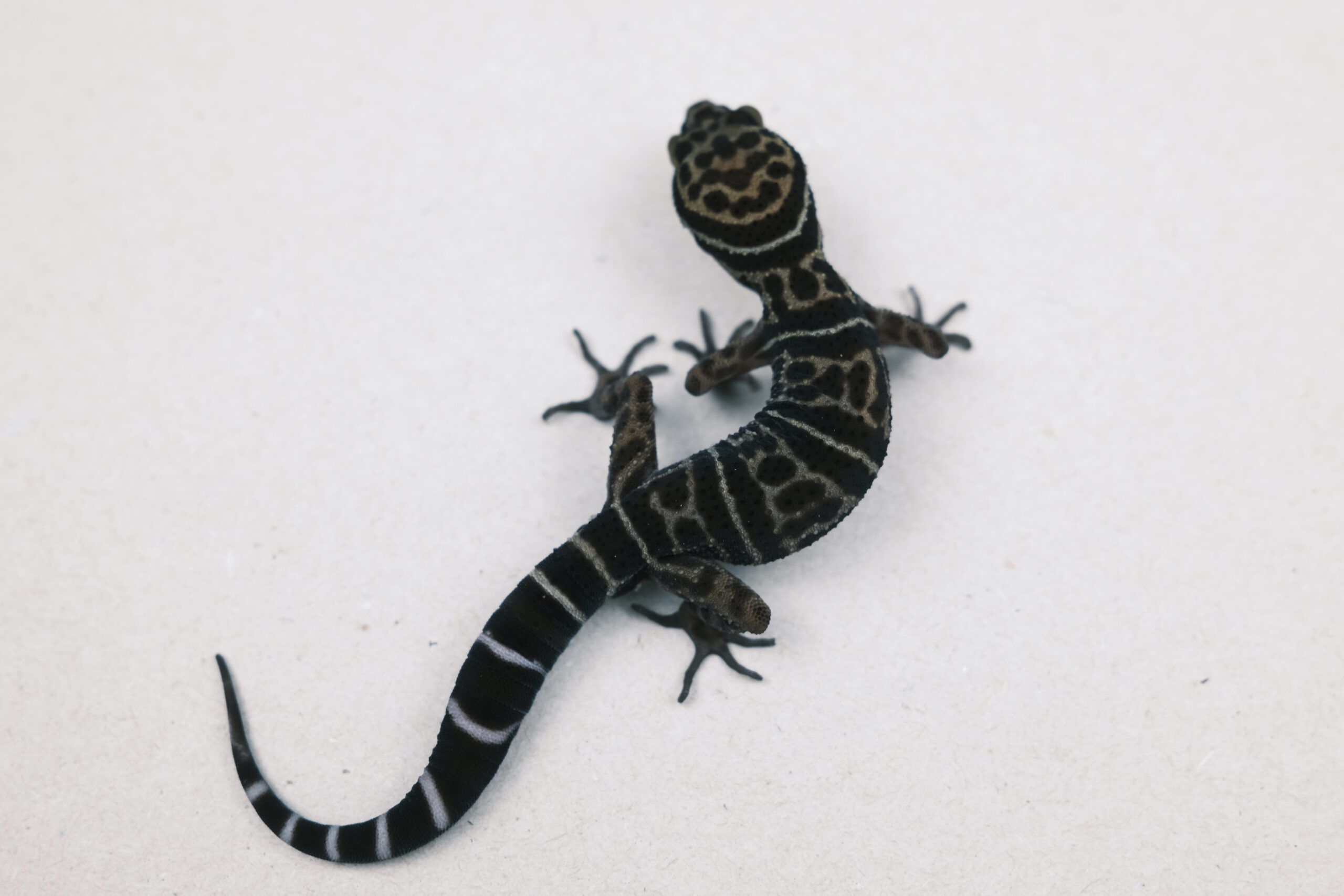
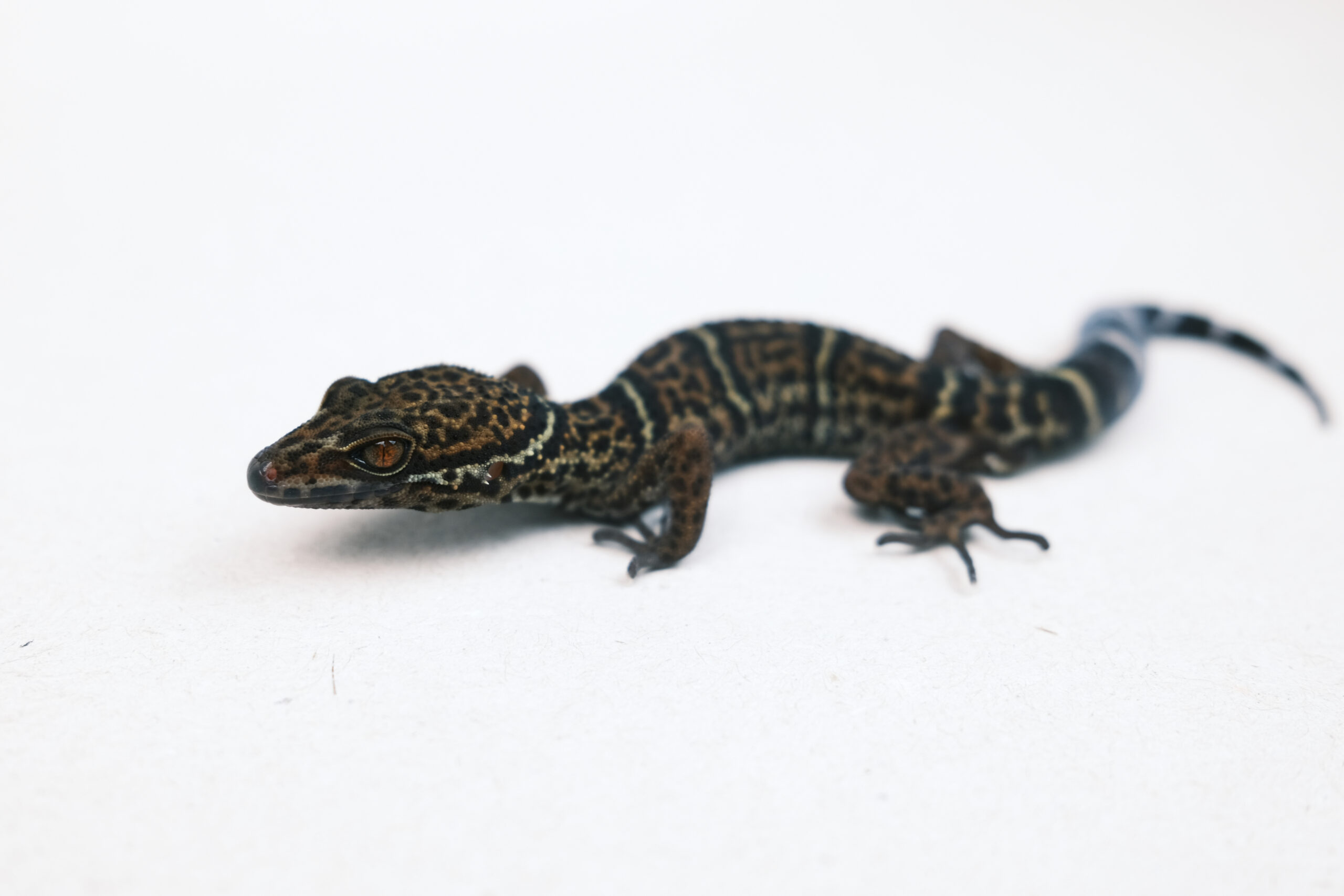
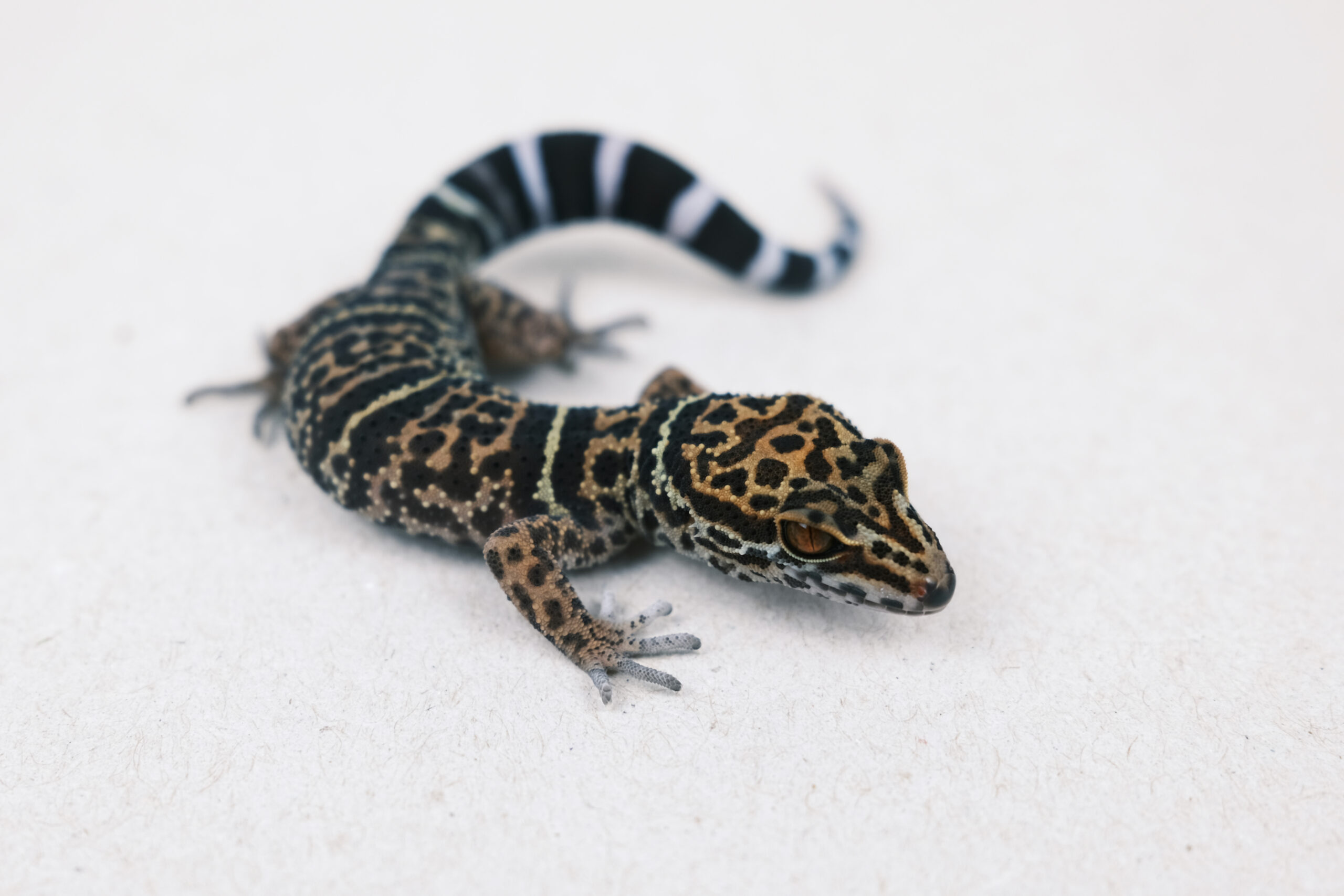
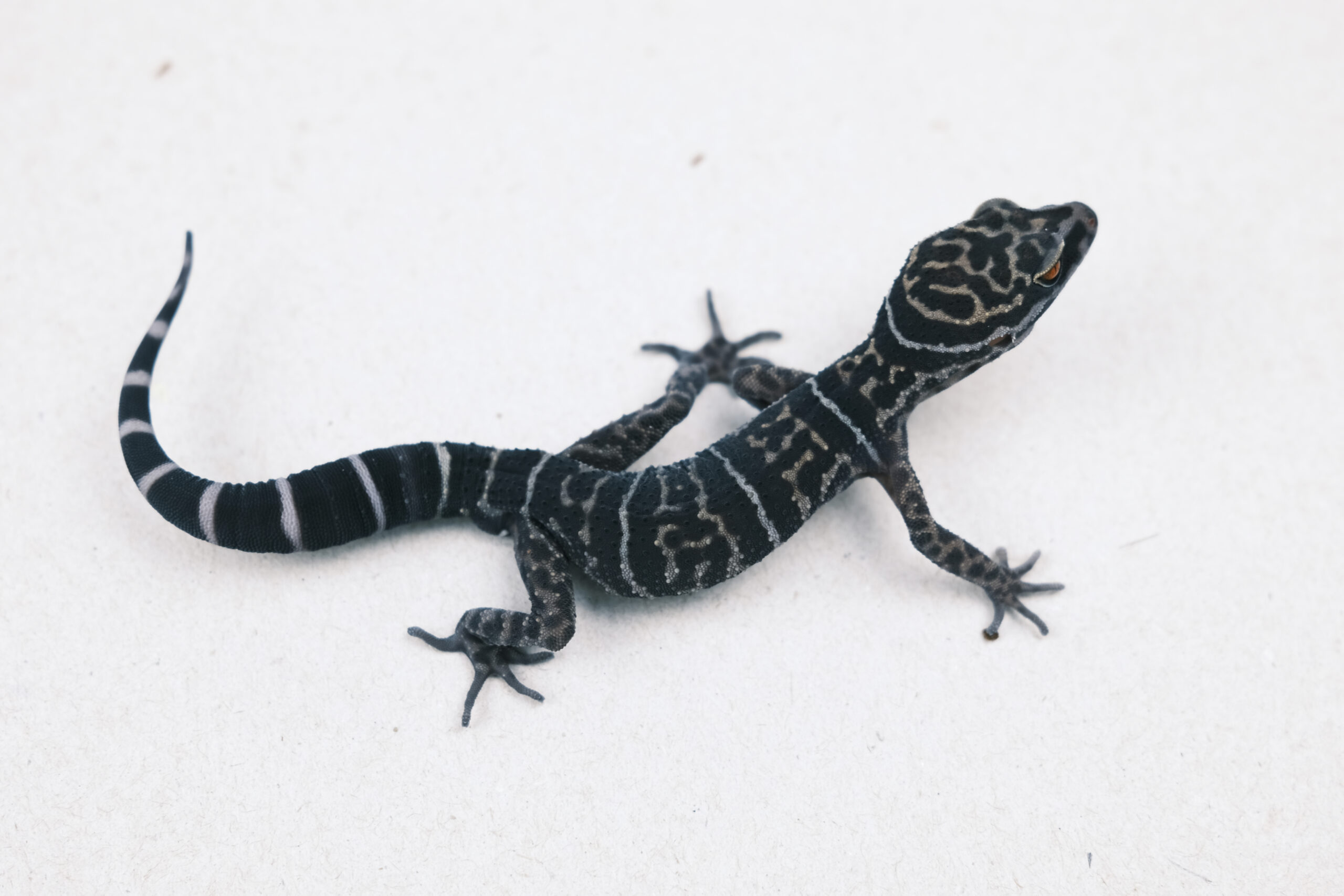
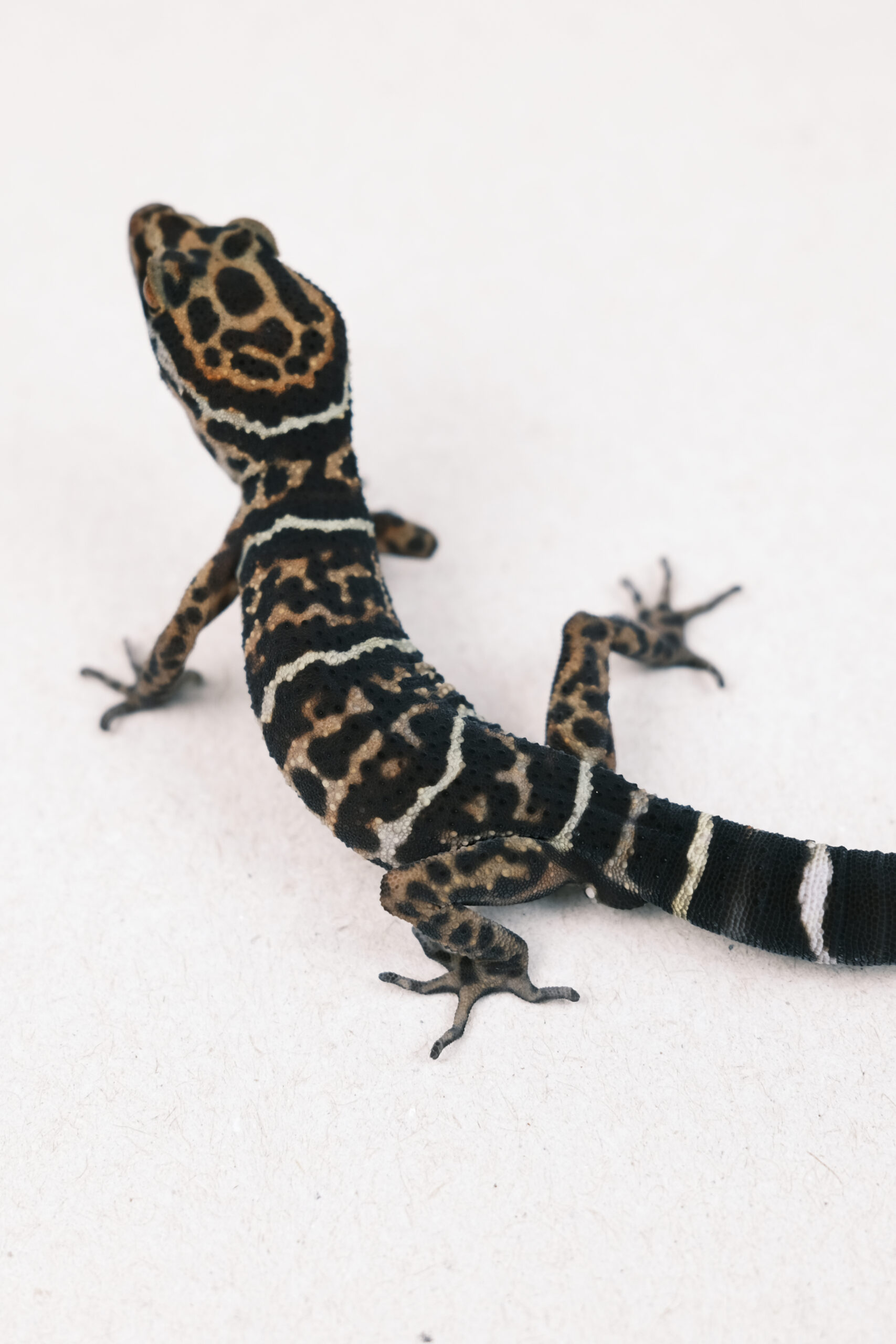
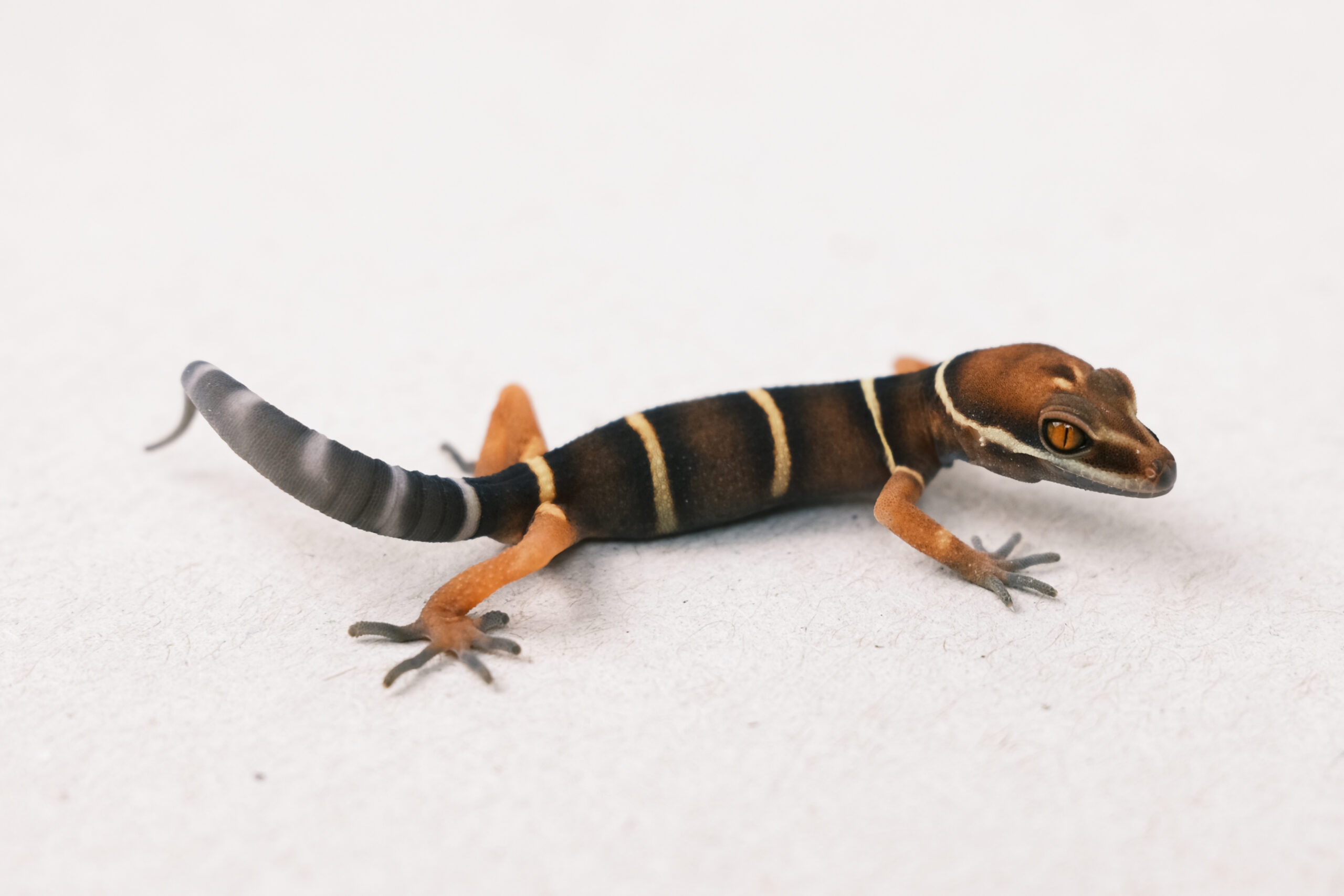
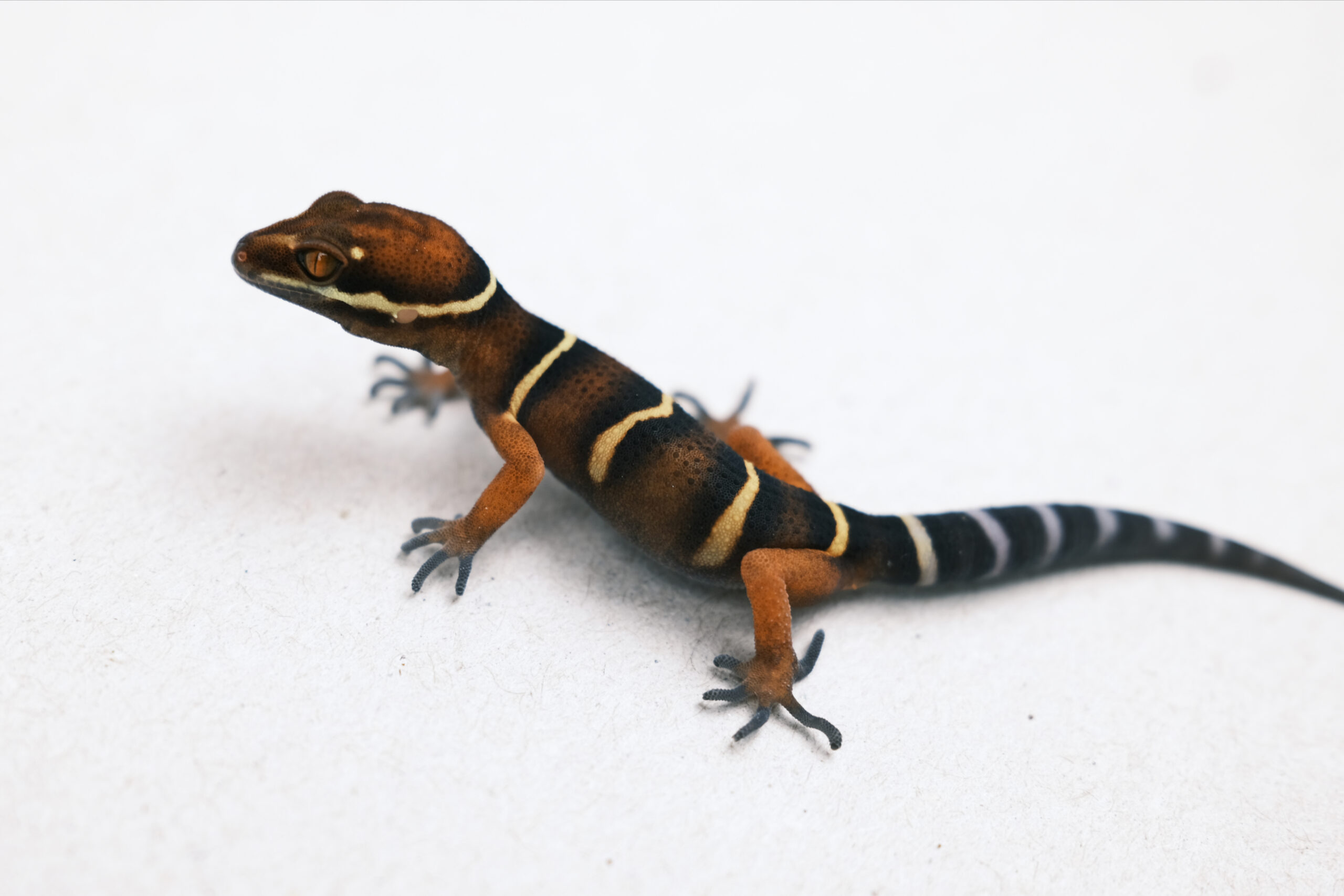
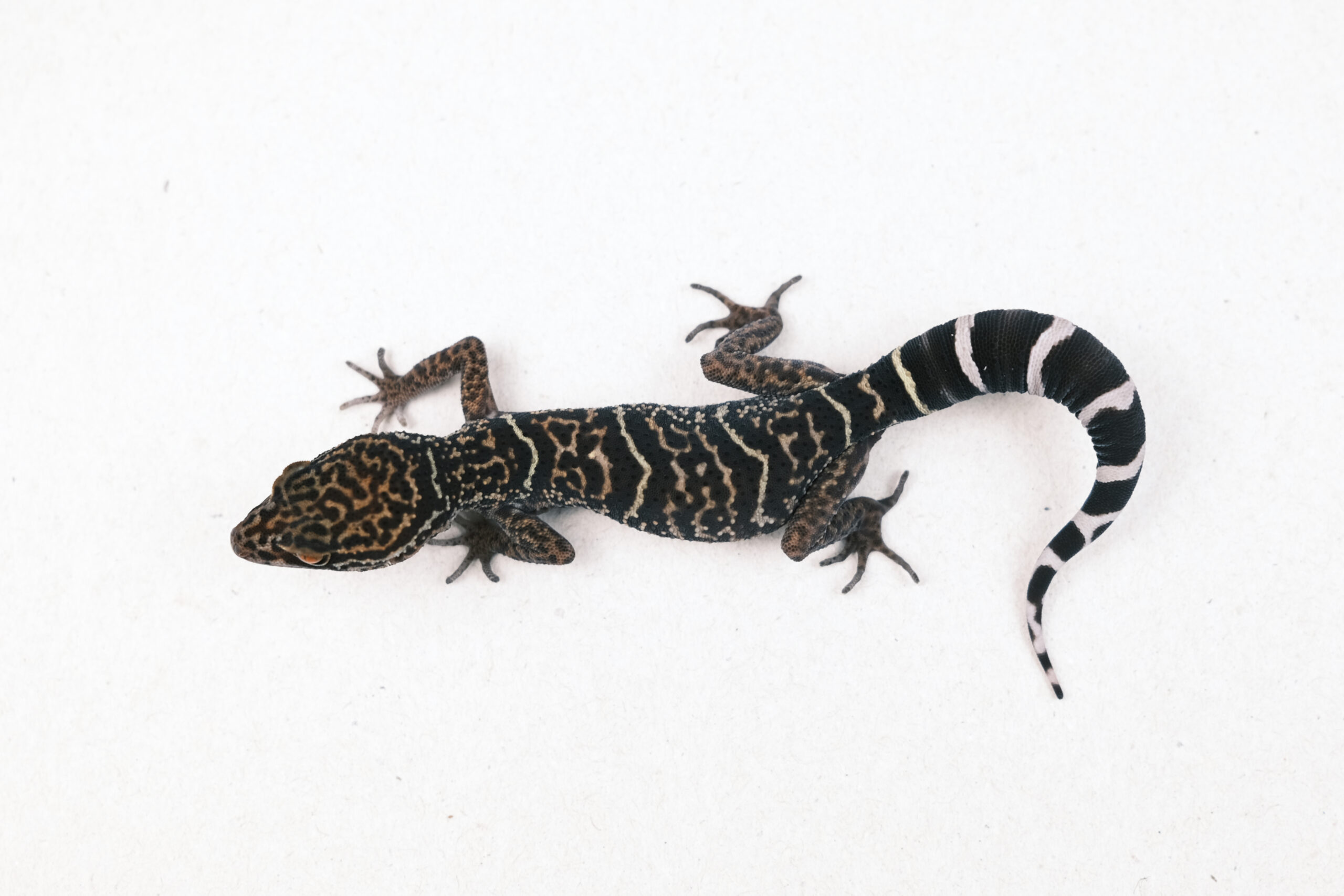
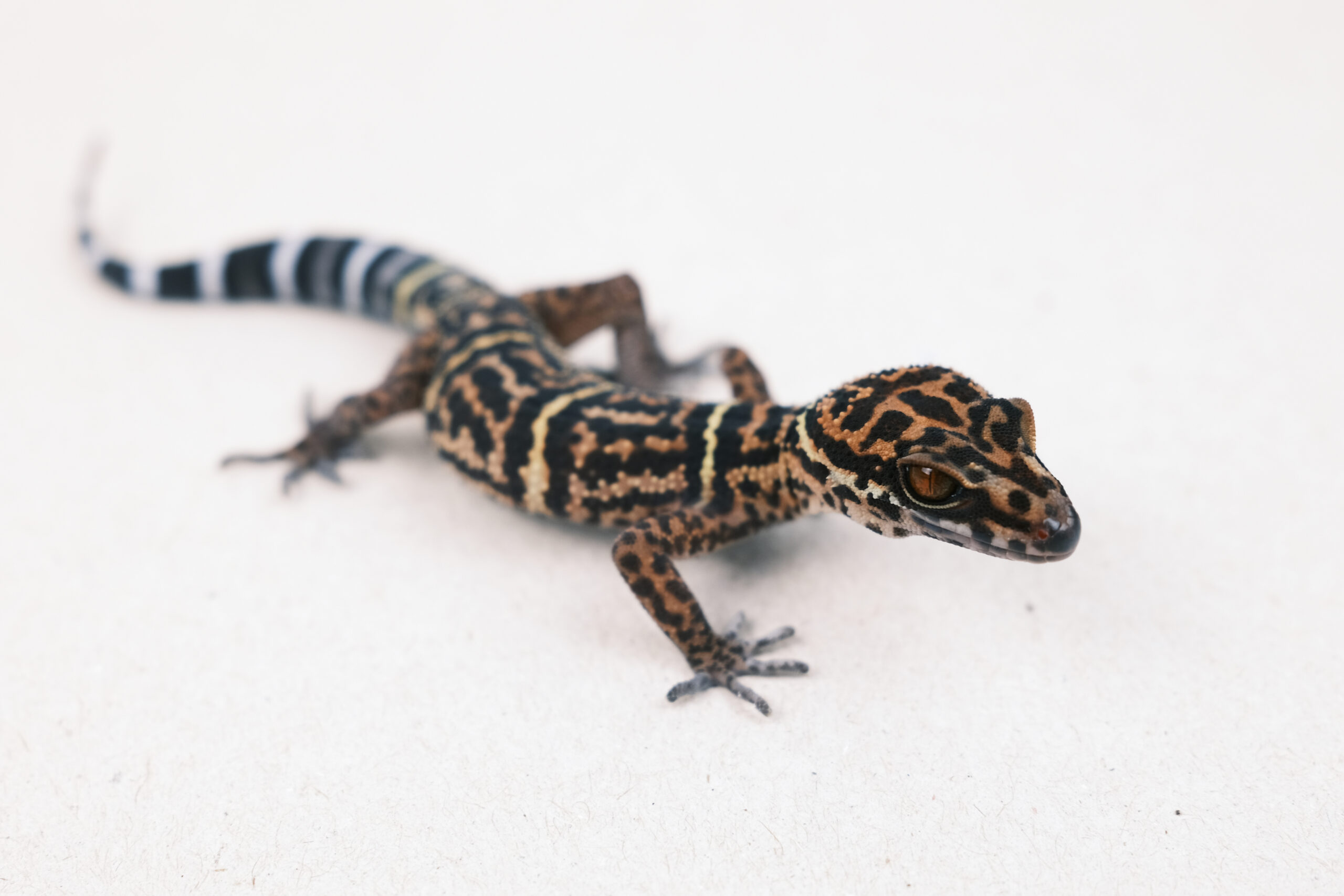
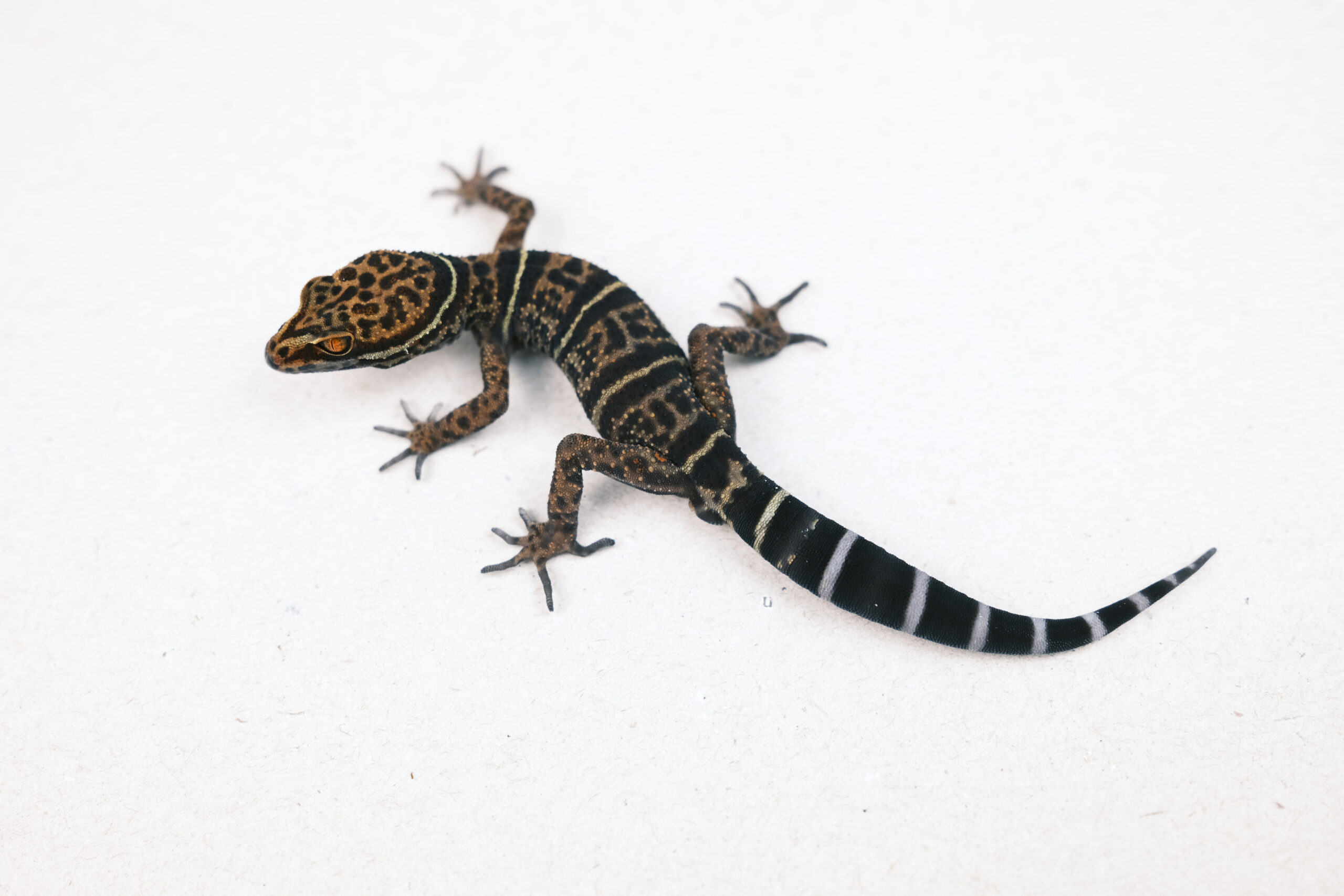
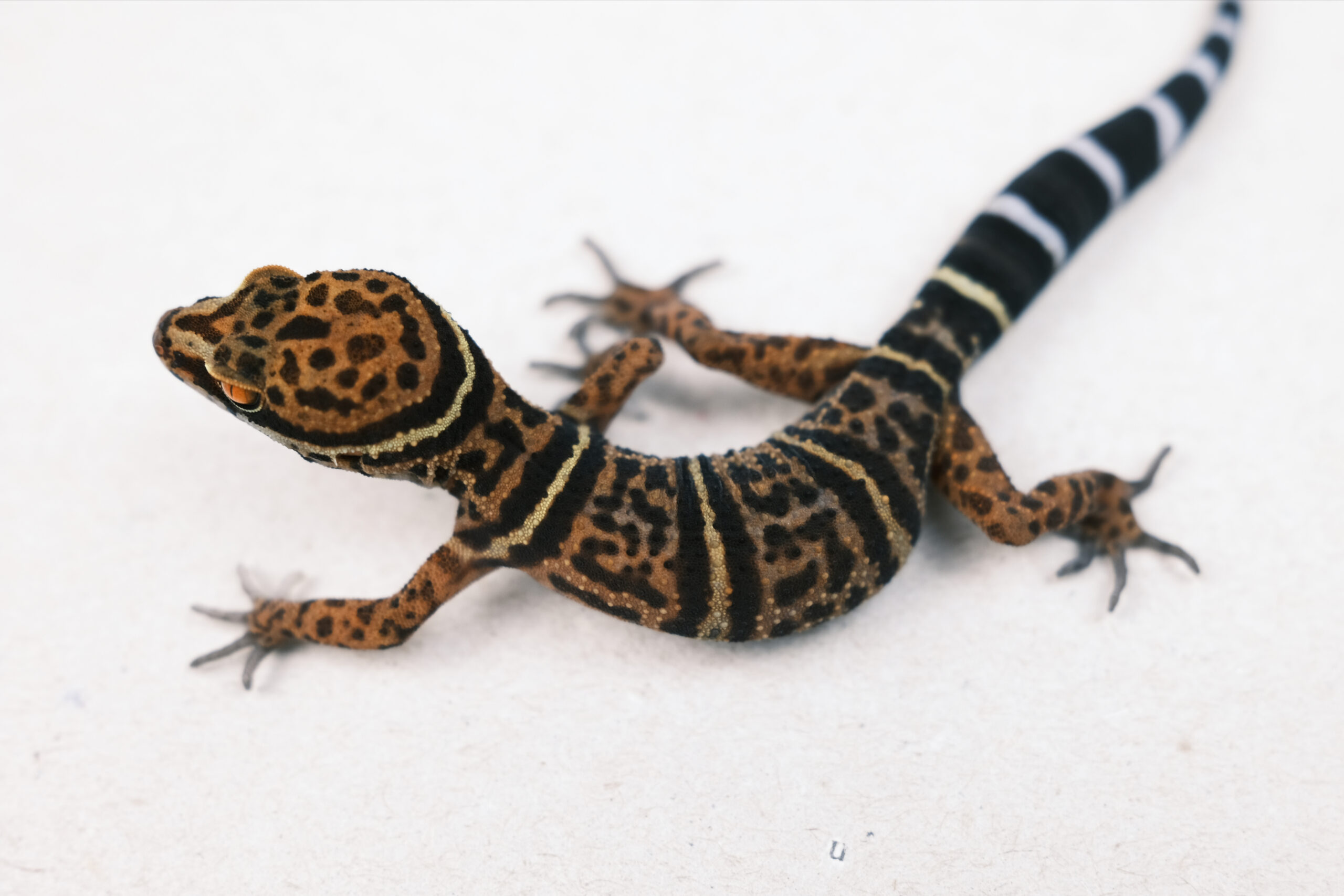
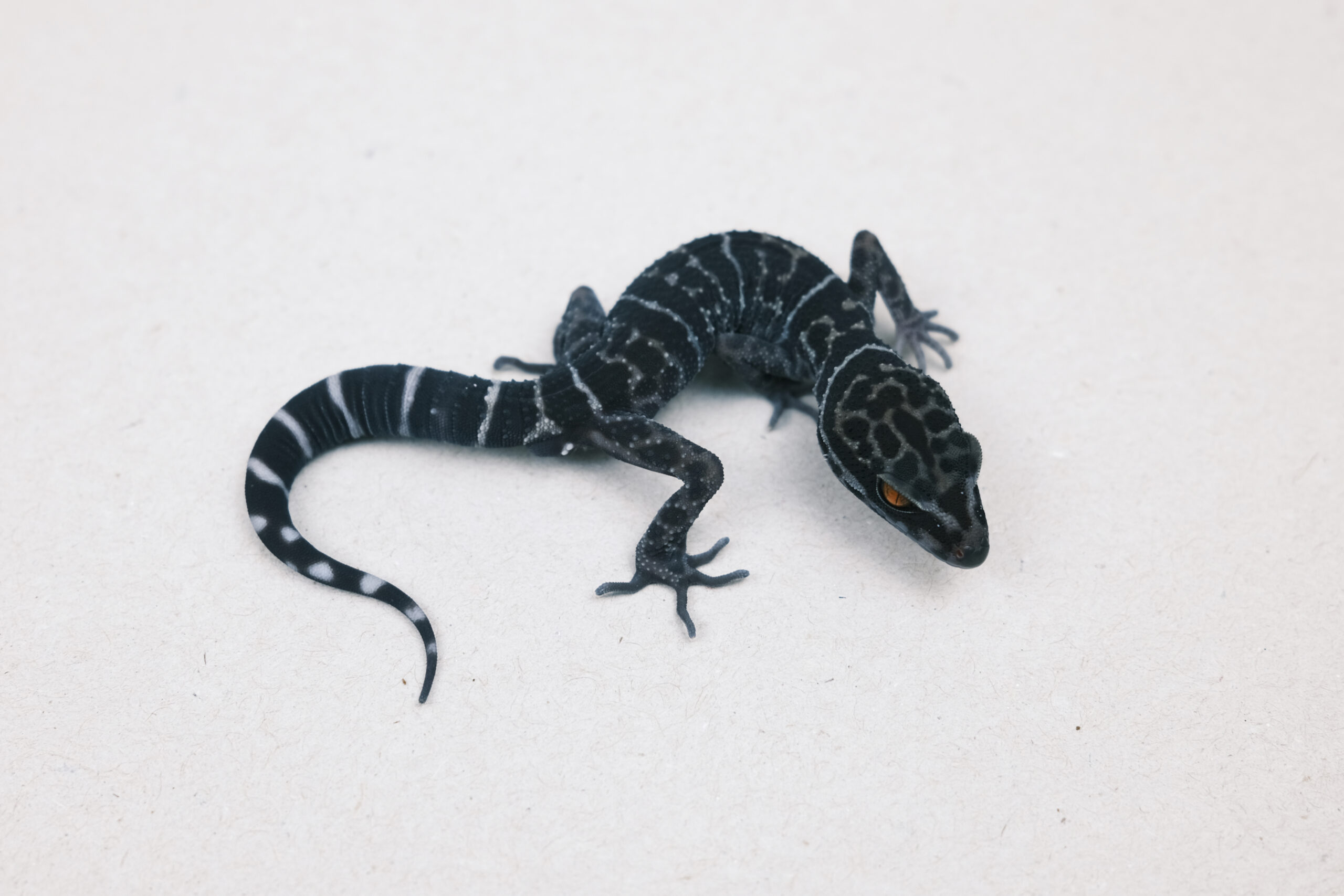
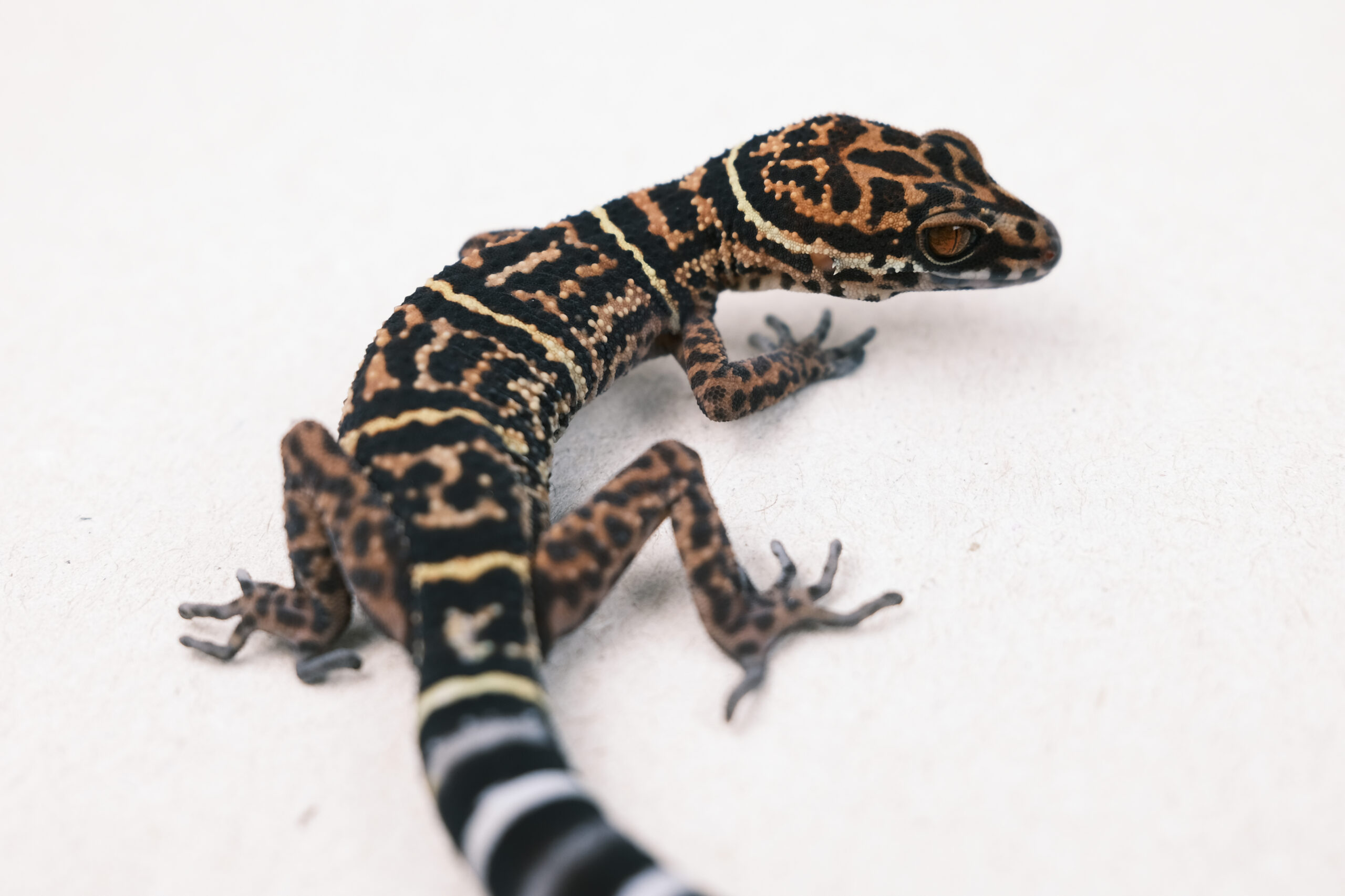
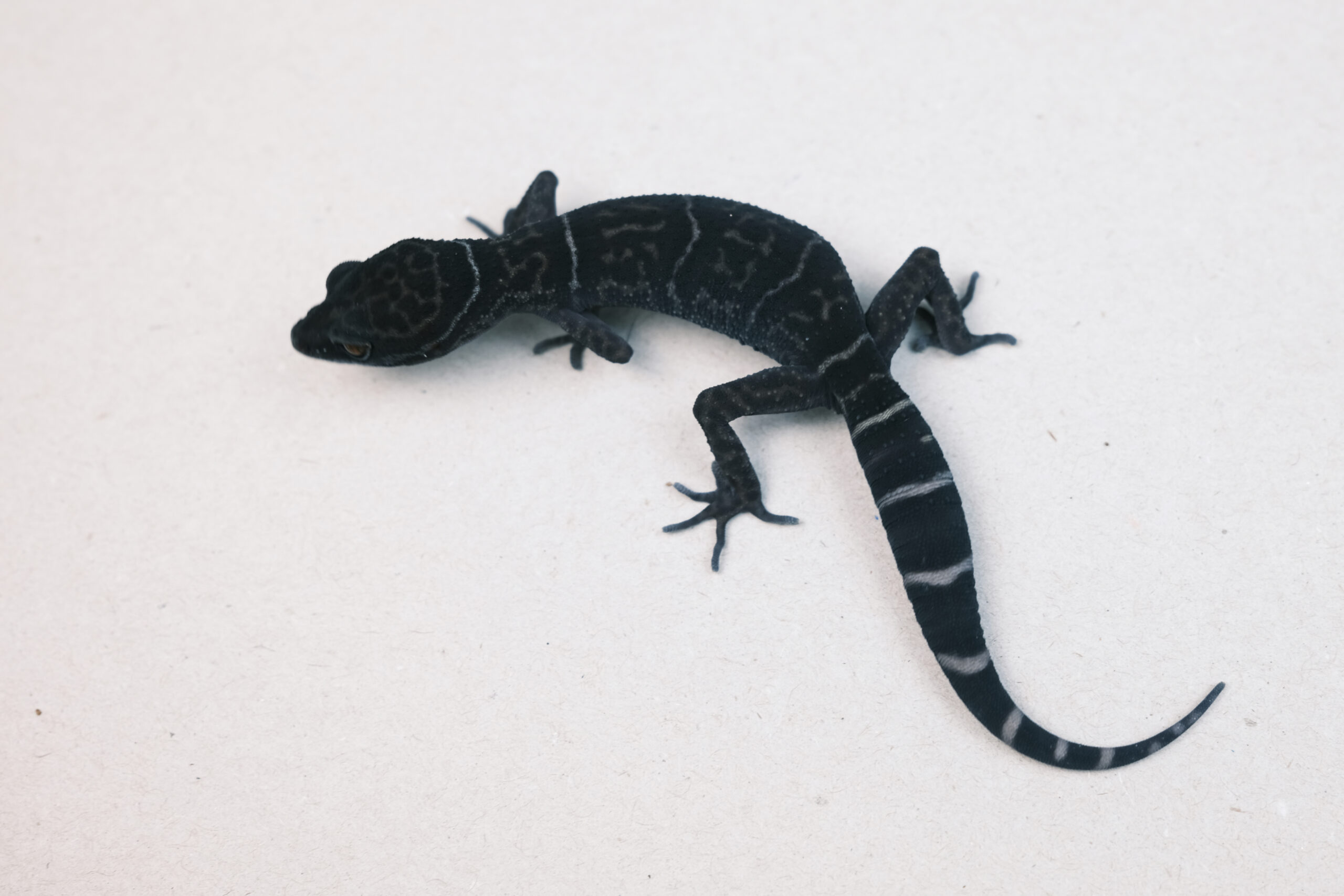
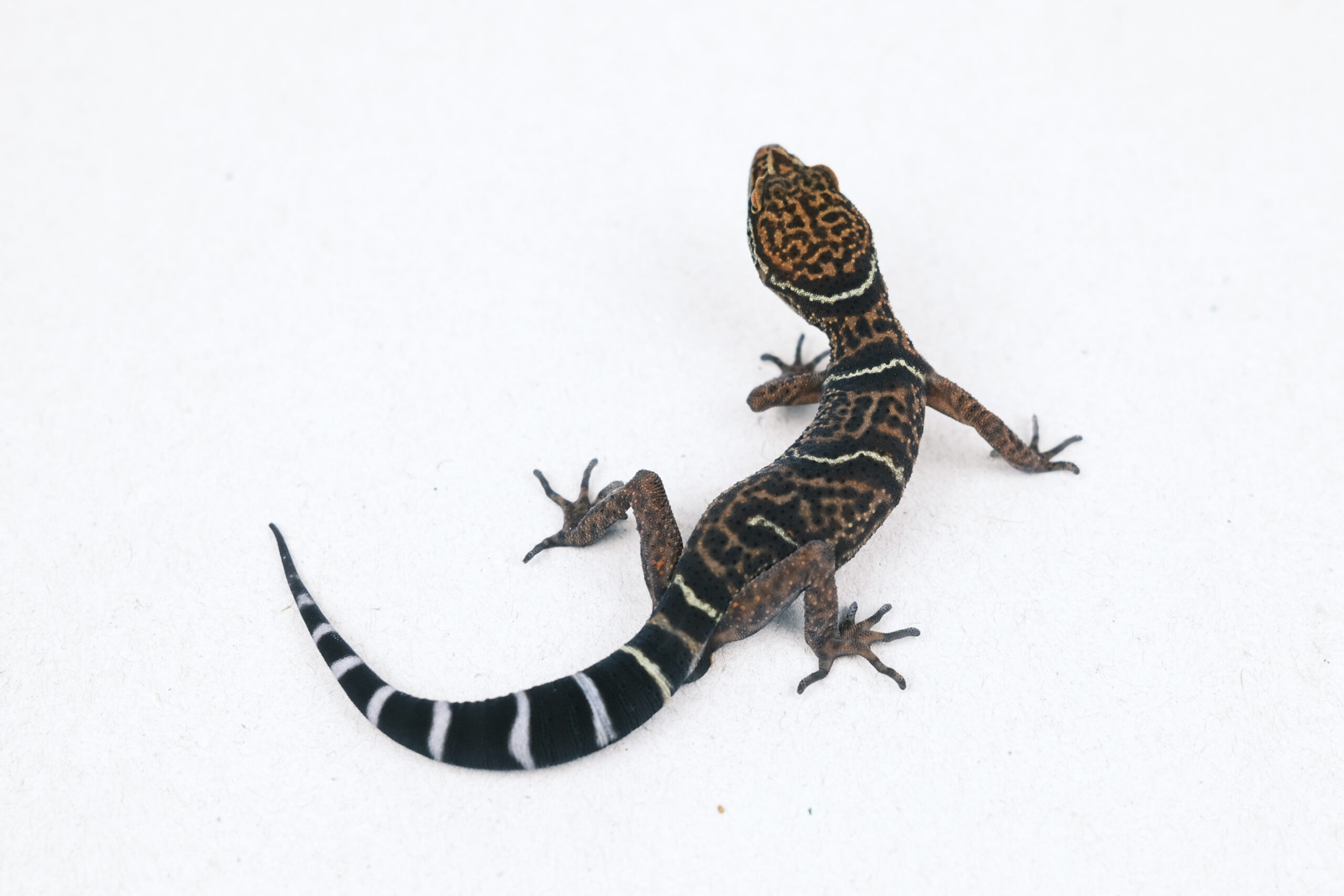
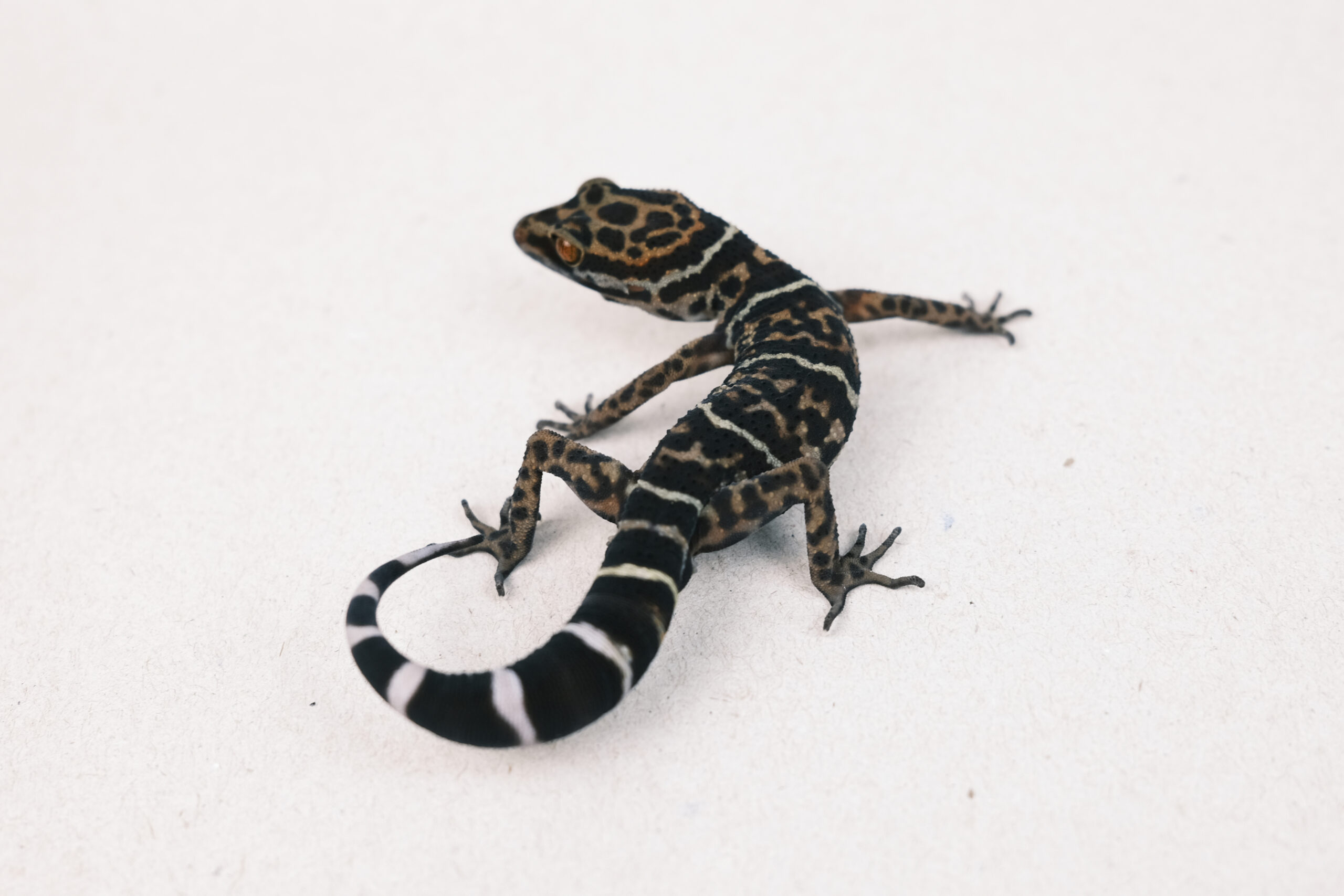
There was an incredible amount of variation within the group itself. Some were heavily mottled. Some retained more distinct banding. The head patterns varied dramatically. But there were characteristics that kept showing up across the group.
Eventually, I started looking more seriously at what else they could be.
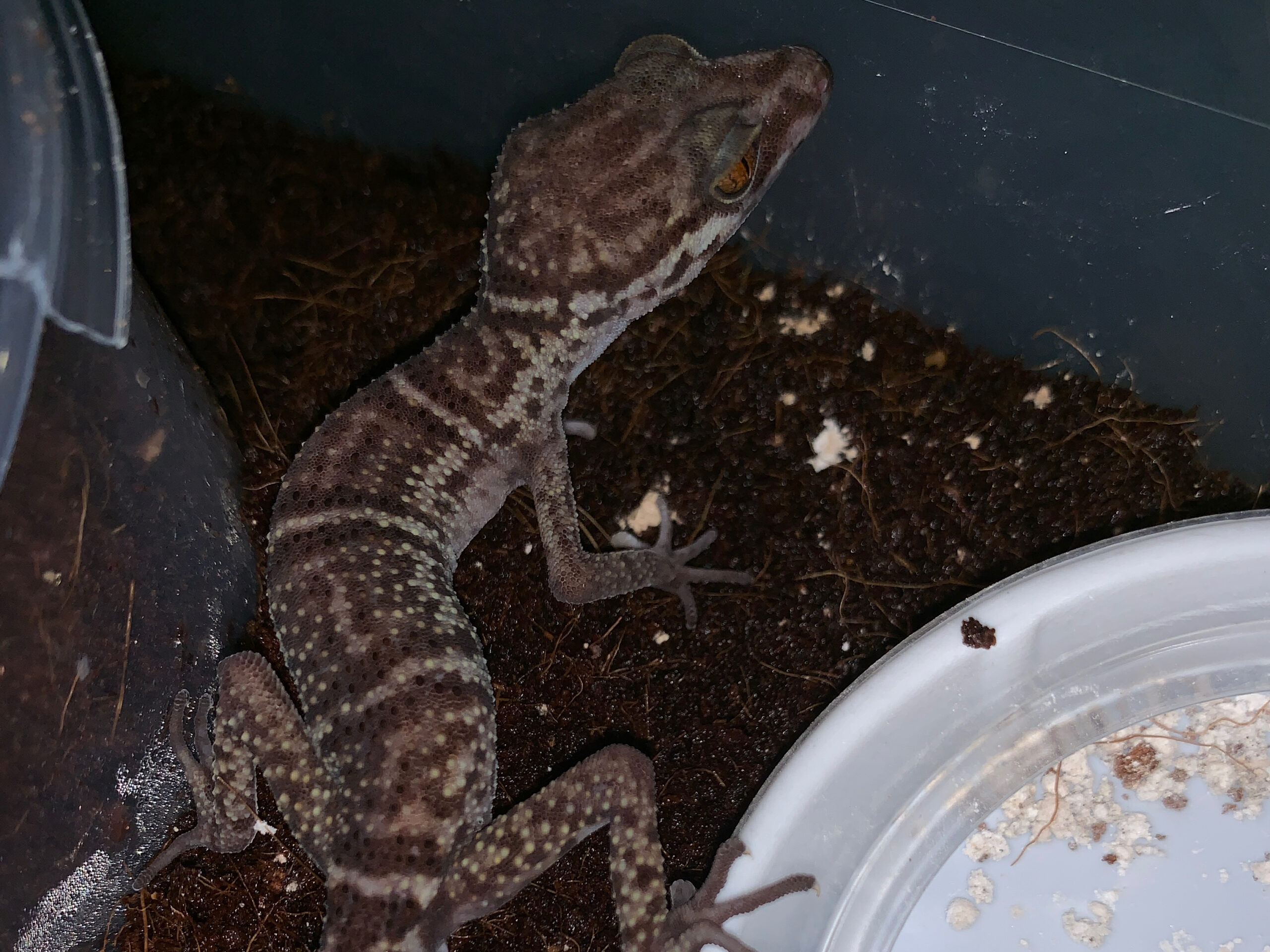
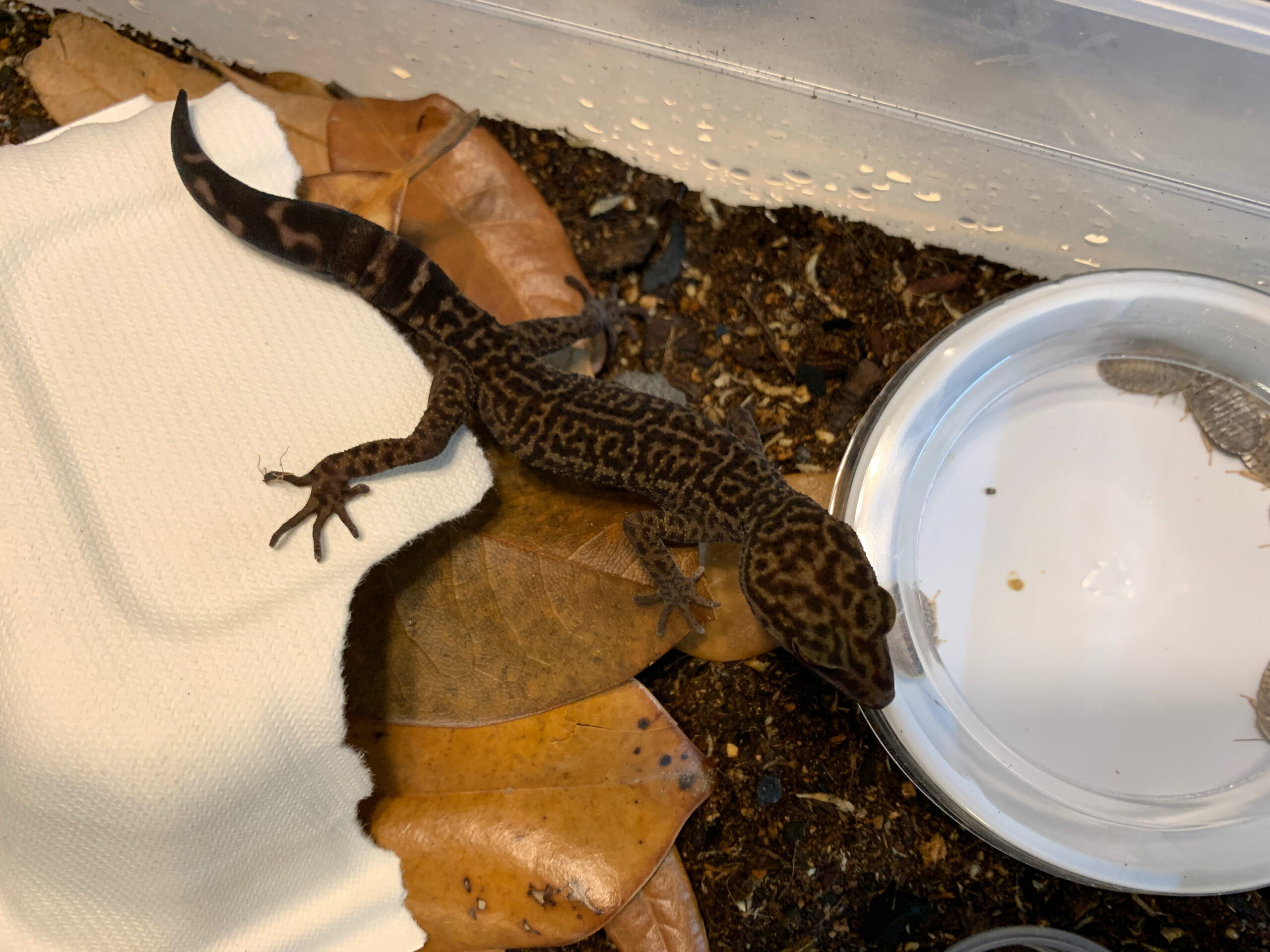
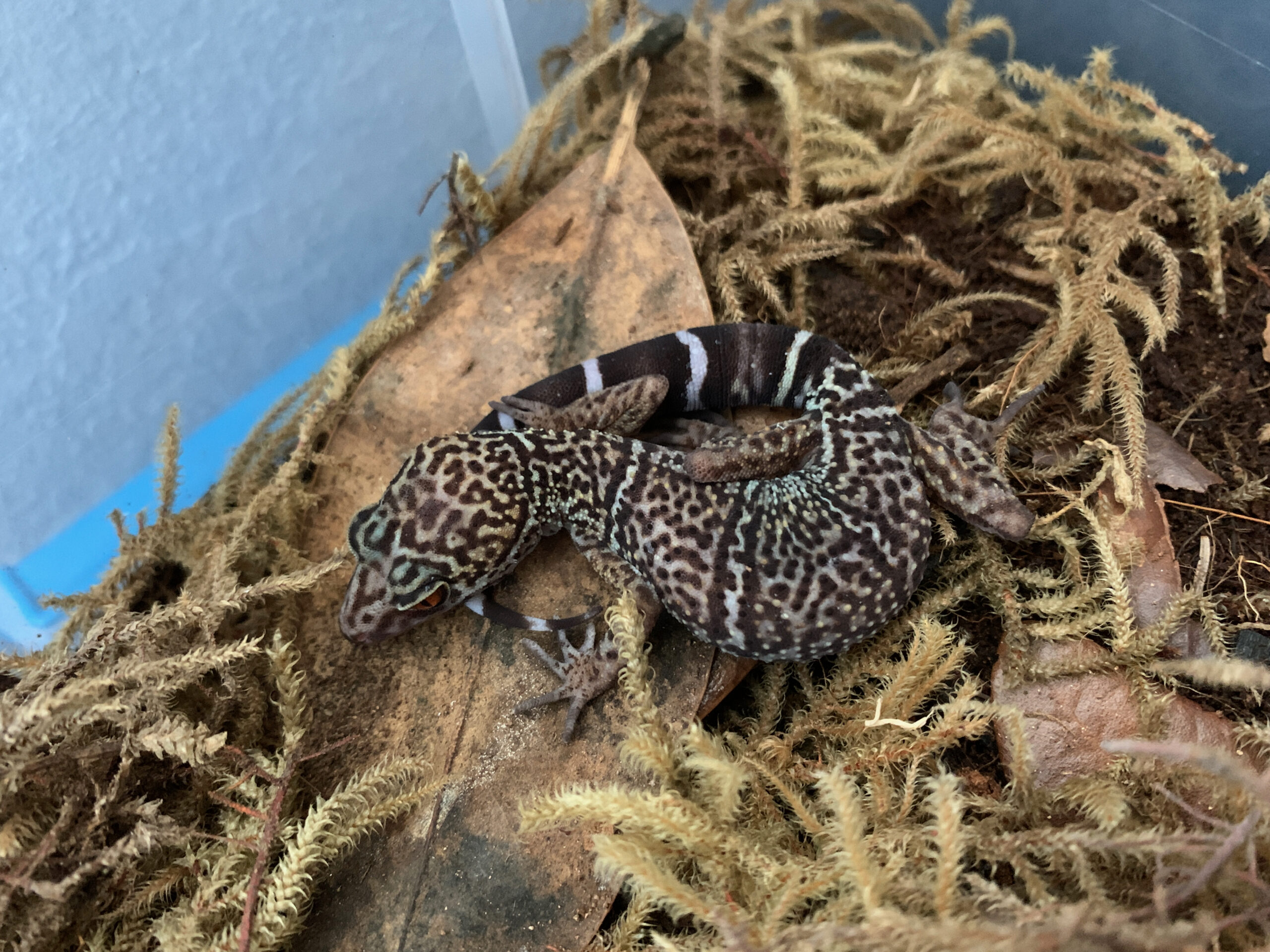
Animals from the original group. The variation in pattern was one of the first things that kept drawing my attention back to them.
THE IDENTIFICATION
So I started digging.
I started comparing the animals in my group against the published descriptions and available research for the species in the G. yingdeensis group.
One species kept standing out: Goniurosaurus varius.
The more characteristics I compared, the more pieces seemed to line up.
The characteristics I kept coming back to:
01
Dark-spotted body bands
Four thin dorsal body bands with dark spotting, bordered anteriorly and posteriorly by dark pigment.
02
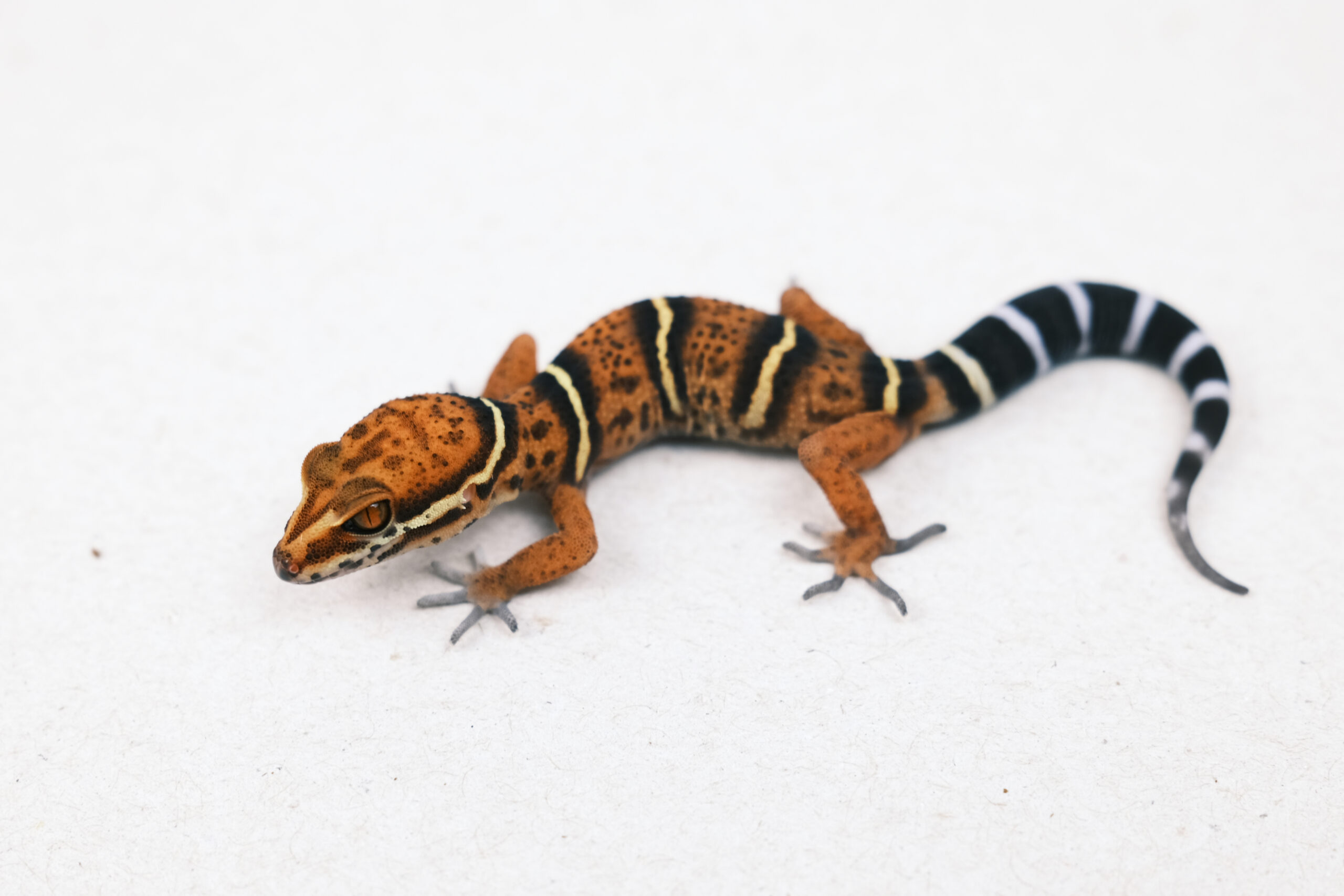
Orange-red iris
A strong orange-red iris, particularly distinctive compared with the grayer irises described for G. yingdeensis and G. zhelongi.
03
Variable dorsal pattern
Reddish-brown dorsal coloration mottled with highly variable spots and stripes.
04
Light vertebral stripe
A light longitudinal vertebral stripe is usually present along the trunk.
05
Usually one internasal
The published diagnosis describes a single internasal in most specimens, rarely two.
06
Ten precloacal pores
The published diagnosis reports ten precloacal pores in males and none in females.
A note on identification
I don’t have locality or genetic data for the original animals, so I’m treating this as a morphological identification. My conclusion is based on the combination of physical characteristics described for G. varius and comparisons with other members of the G. yingdeensis group.
I’m sharing the photographs, references, and reasoning here so others can evaluate that conclusion too. If you work with this group and have observations or information to add, I’d like to hear from you.
A CLOSER LOOK
The animals themselves.
These are characteristics I can see repeatedly across animals in the group. Some are obvious at a glance; others require looking much more closely.
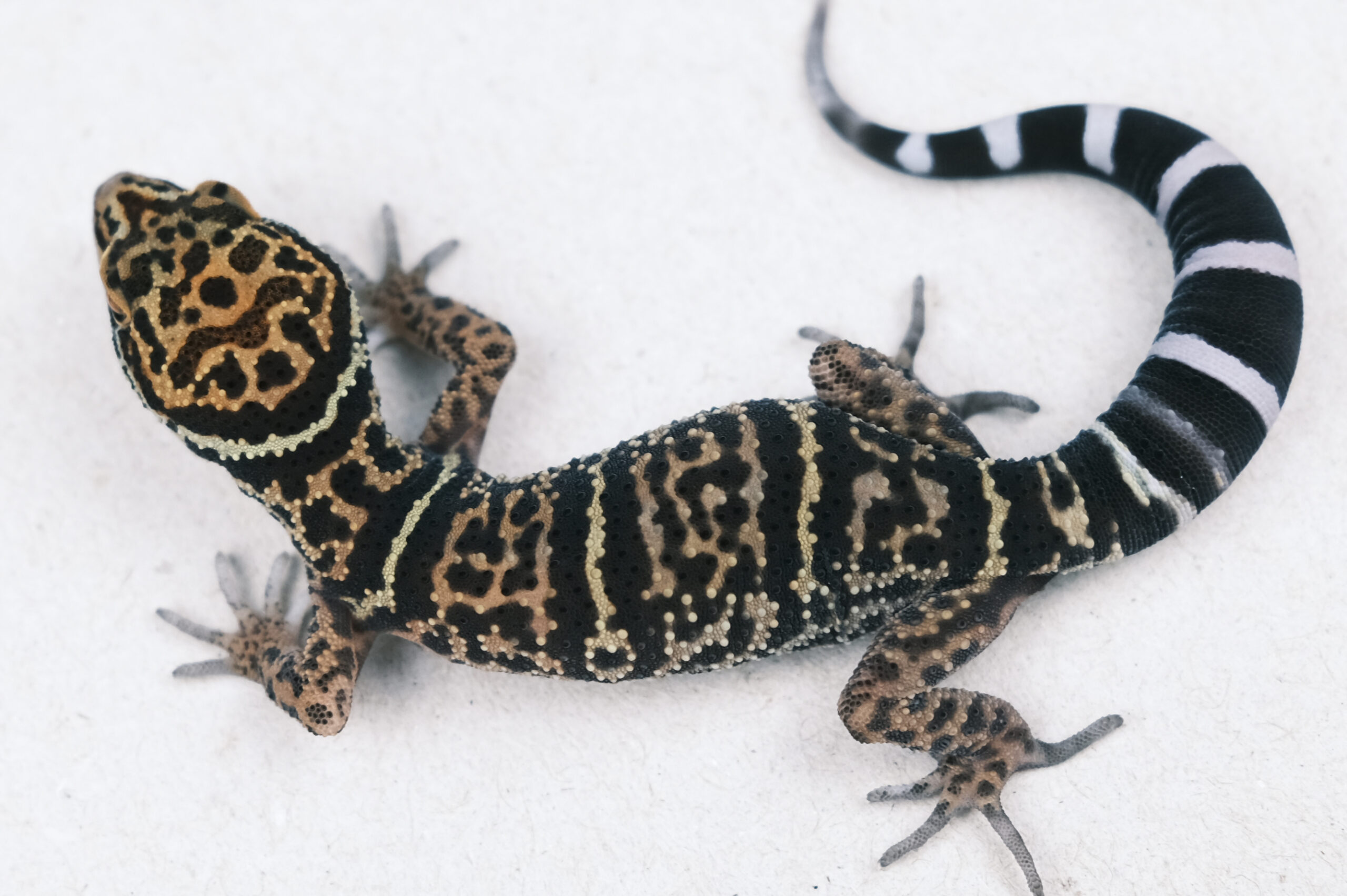
01/06
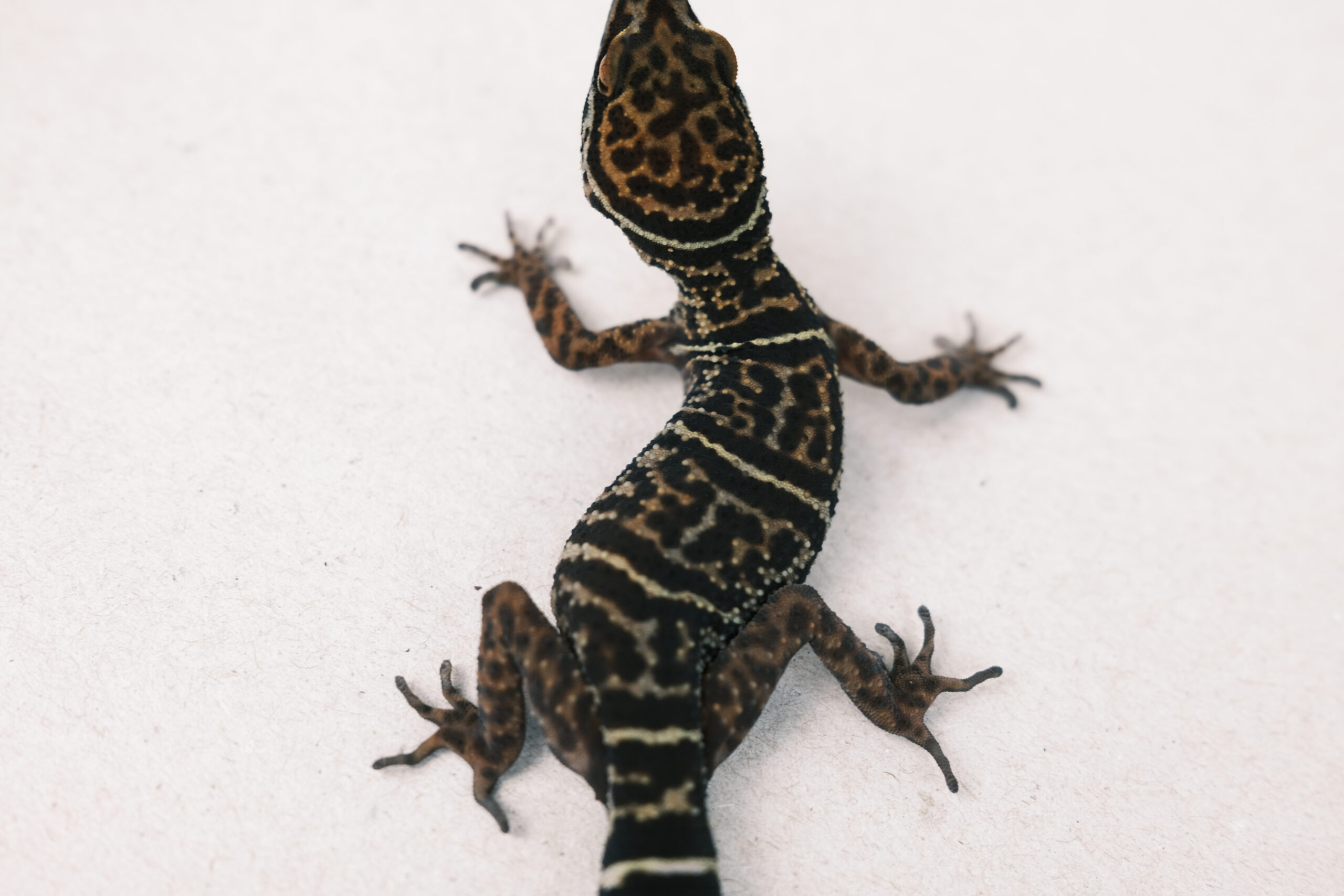
Dark-spotted body bands.
Four light dorsal bands are present, but the important detail for me is the dark spotting within the bands and dark bordering around them.
WHAT I'M LOOKING AT
Dark spots or blotches occurring within the light bands rather than clean, immaculate bands.
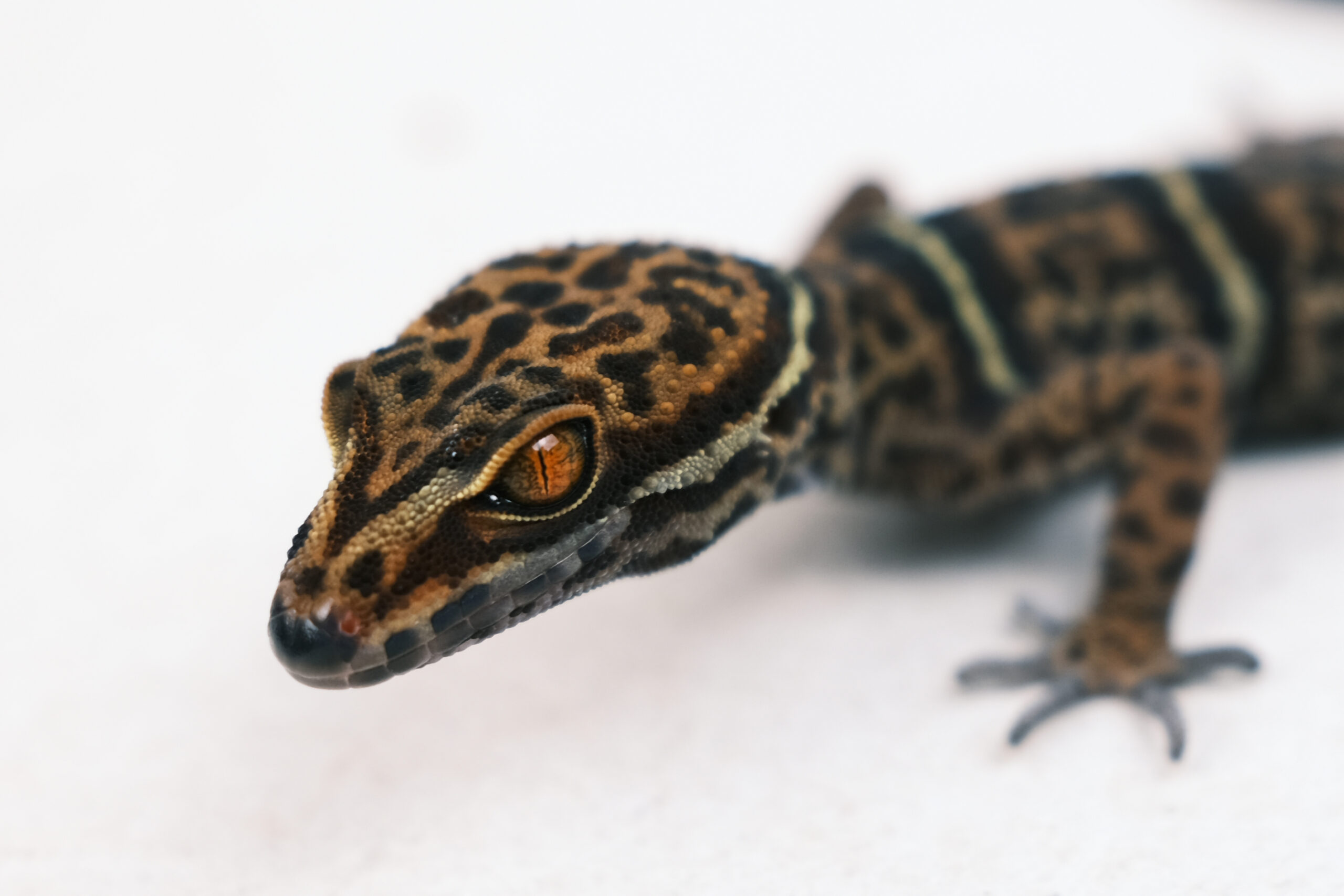
02/06
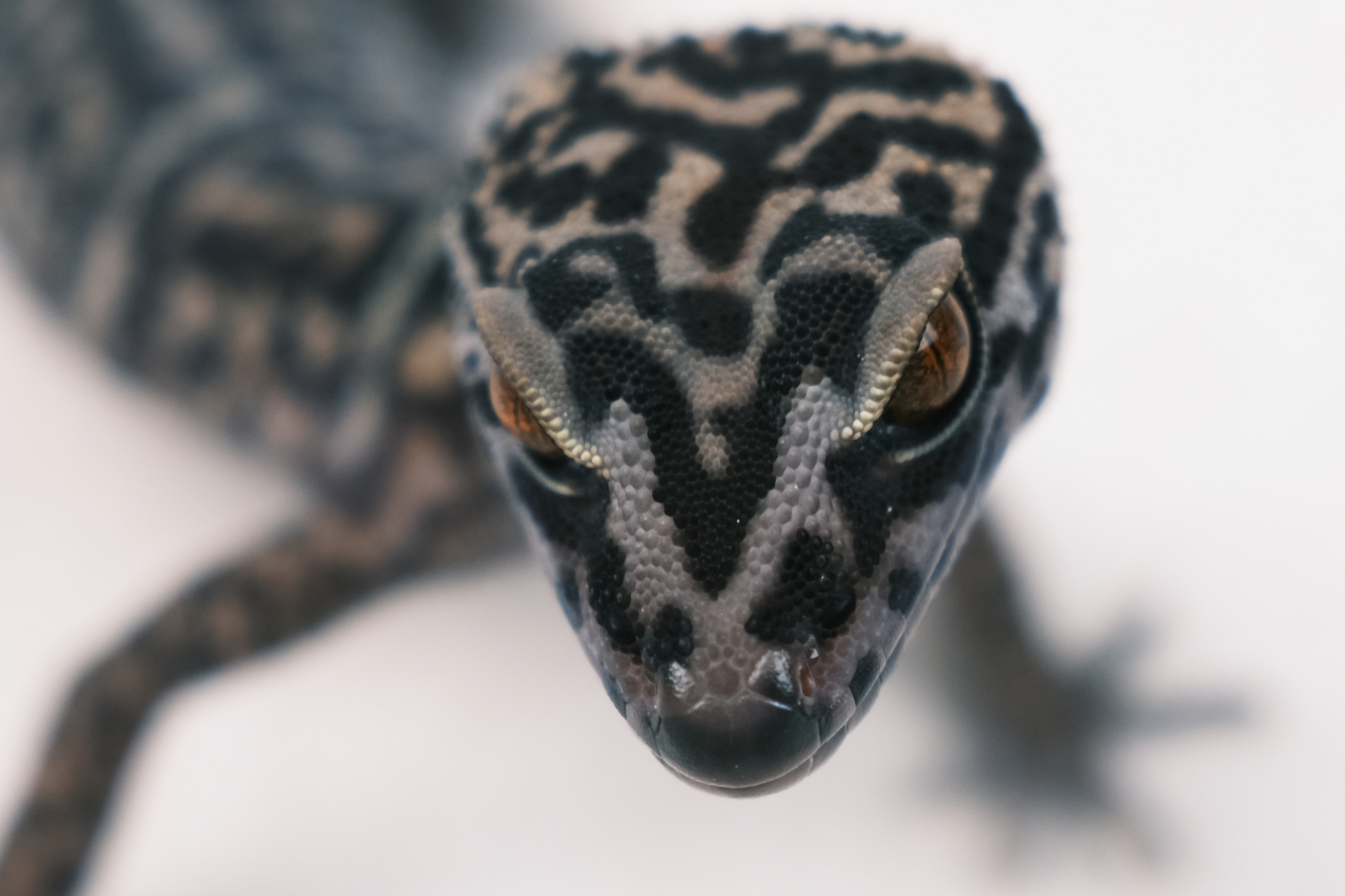
Orange-red iris.
The animals consistently show a strong orange to reddish iris, a characteristic that immediately stands out when comparing them with related species.
WHAT I'M LOOKING AT
The saturated orange-red coloration of the iris surrounding the vertical pupil.
03/06
Dorsal variation
Pattern varies considerably among individuals - from relatively organized banding to dense mottling and highly irregular dorsal markings.
WHAT I'M LOOKING AT
Complex dorsal patterning and substantial variation between animals.
04/06
Light vertebral stripe.
The published description notes a longitudinal light-colored vertebral stripe that is usually present along the trunk.
WHAT I'M LOOKING AT
A lighter line running longitudinally along the center of the back rather than transversely with the body bands.
05/06
Usually one internasal
The published diagnosis describes a single internasal in most specimens, rarely two.
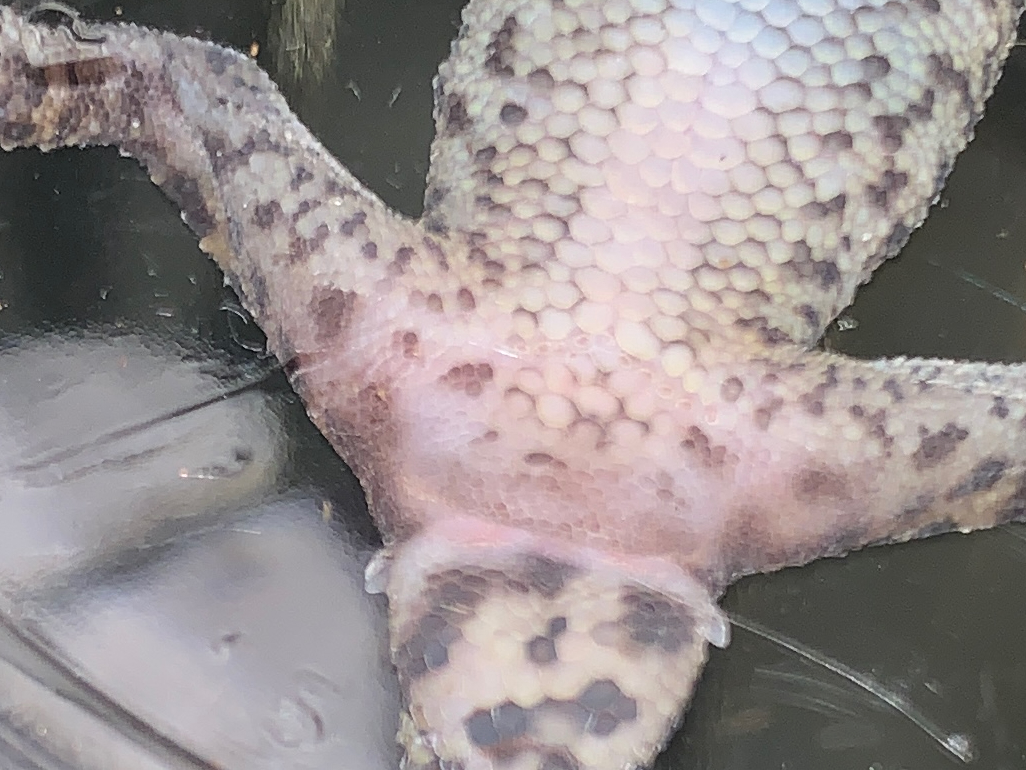
06/06
Ten precloacal pores.
The published diagnosis reports ten precloacal pores in males.
ADDITIONAL CHARACTERS
The published diagnosis also includes quantitative scalation characters such as 21–24 dorsal tubercle rows at midbody and 27–29 paravertebral tubercles between the limb insertions. I have focused this page primarily on characters that can be reliably illustrated from my existing photographs; I plan to formally score additional scale-count characters across the colony as well.
PRIMARY REFERENCES
Qi, S., Grismer, L.L., Lyu, Z.-T., Zhang, L., Li, P.-P. & Wang, Y.-Y. 2020. A definition of the Goniurosaurus yingdeensis group (Squamata, Eublepharidae) with the description of a new species. ZooKeys 986: 127–155.
Ngo, H.N. et al. 2021. A morphological and molecular review of the genus Goniurosaurus, including an identification key. European Journal of Taxonomy 751: 38–67.
Zhu, X.-Y. et al. 2022. Goniurosaurus wangshu sp. nov., a new species of Tiger Gecko from Guangdong, China. Zootaxa 5188(6): 544–558.
THE RELEASE
Ready to share them.
After years of building this group, I’m ready to start making captive-bred animals available to other keepers and breeders.
I shared the project privately with a small group of Goniurosaurus breeders first. Now I’m opening it up more broadly, along with the history, photographs, and identification work behind it.
A limited number of sexed male/female pairs are being offered together. Current online availability, individual photographs, and pricing can be found on MorphMarket.
CURRENTLY AVAILABLE
Working with similar animals? I’d also like to hear about your group and its history.
CURRENTLY AVAILABLE · 2026
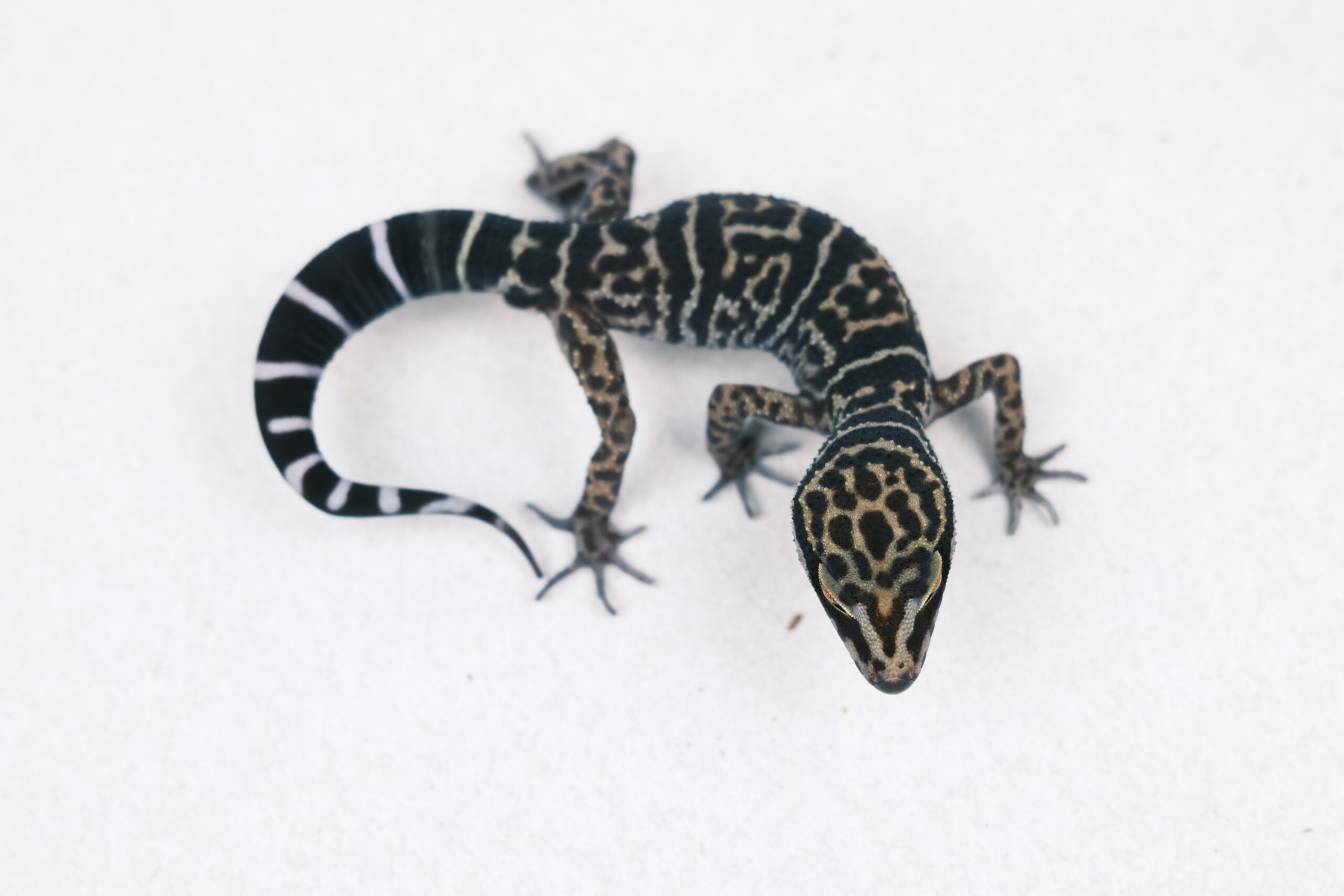
Animals are available now.
SEE THEM IN ANAHEIM
Public Release
I’ll have animals from the Varius Project at the K-RAD Reptiles booth throughout the weekend, with limited availability for purchase.
Come see them in person, take a closer look, and talk Goniurosaurus with me.
THE DETAILS
October 3-4, 2026
REPTILE SUPER SHOW · ANAHEIM CONVENTION CENTER
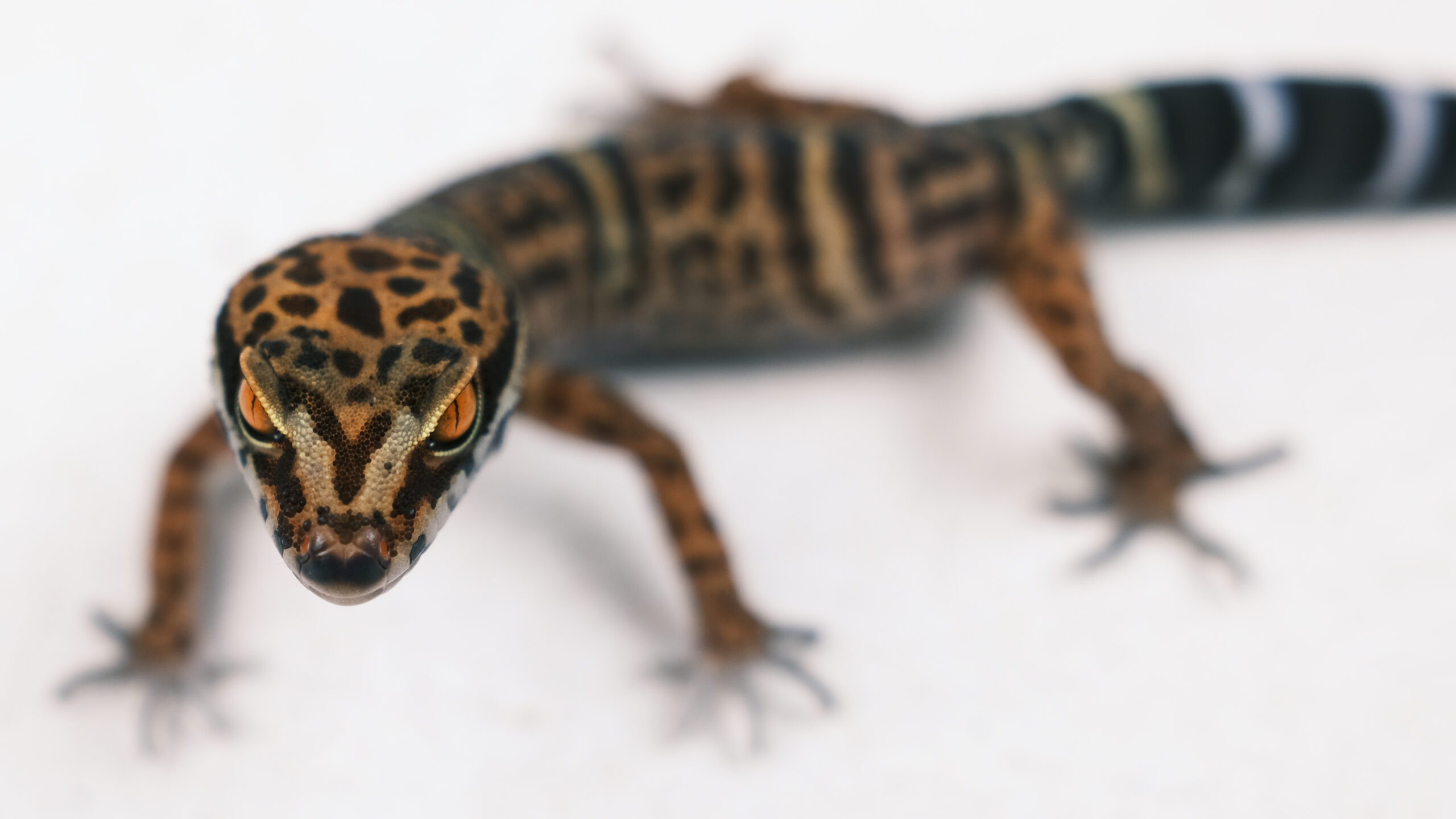
Goniurosaurus varius
K-RAD REPTILES · 2026
MORE FROM THE PROJECT